Elisa Moyo, Flames and Lilies Volunteer and Member
Date: 1 July 2026
Between 21 April and 28 May 2026, a quiet but determined transformation unfolded at the Overspill Family Centre in Epworth. There, the ECO FLOW Programme, an initiative of the Flames and Lilies Climate Initiative (FLCI), brought together young women and girls for an ambitious curriculum spanning climate change education, menstrual health, vermiculture, peer advocacy, creative arts, and income-generating skills training. What began as a conversation about environmental resilience grew into something larger: a community of young women equipped not only with knowledge but with tangible skills, renewed confidence, and a vision for their own economic independence.
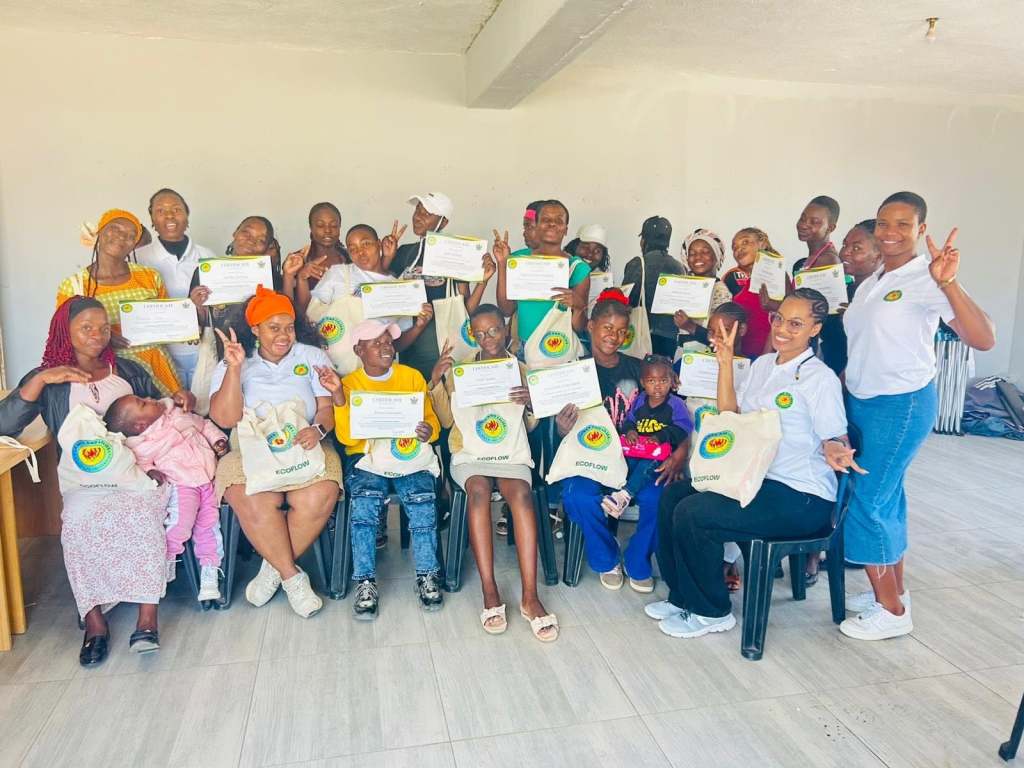
Looking back on these six weeks, these moments were key moments for me.
Foundation of trust.
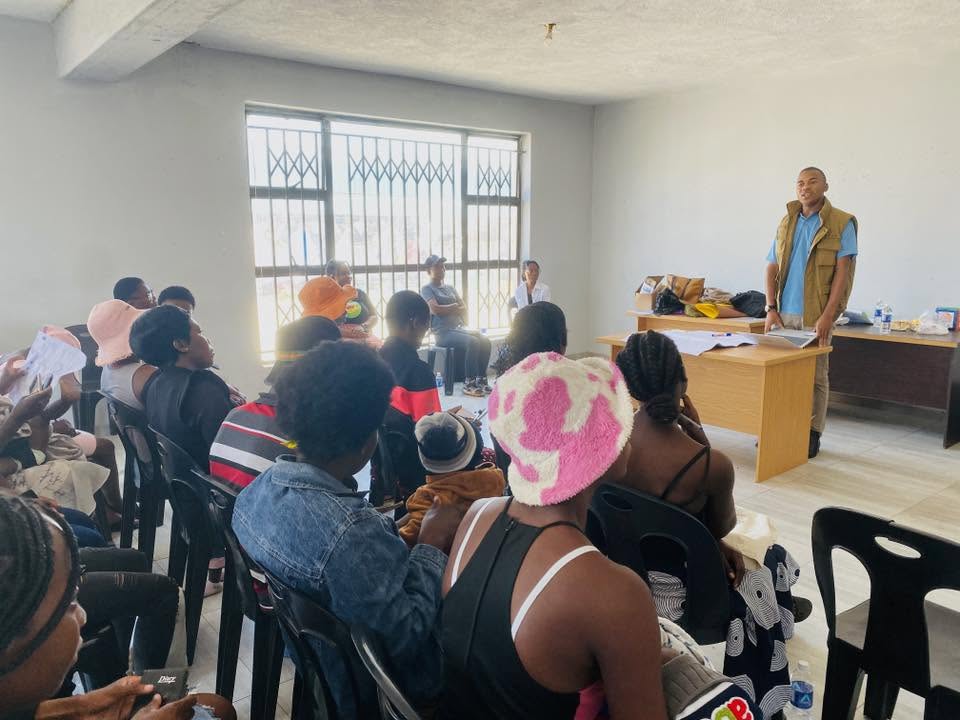
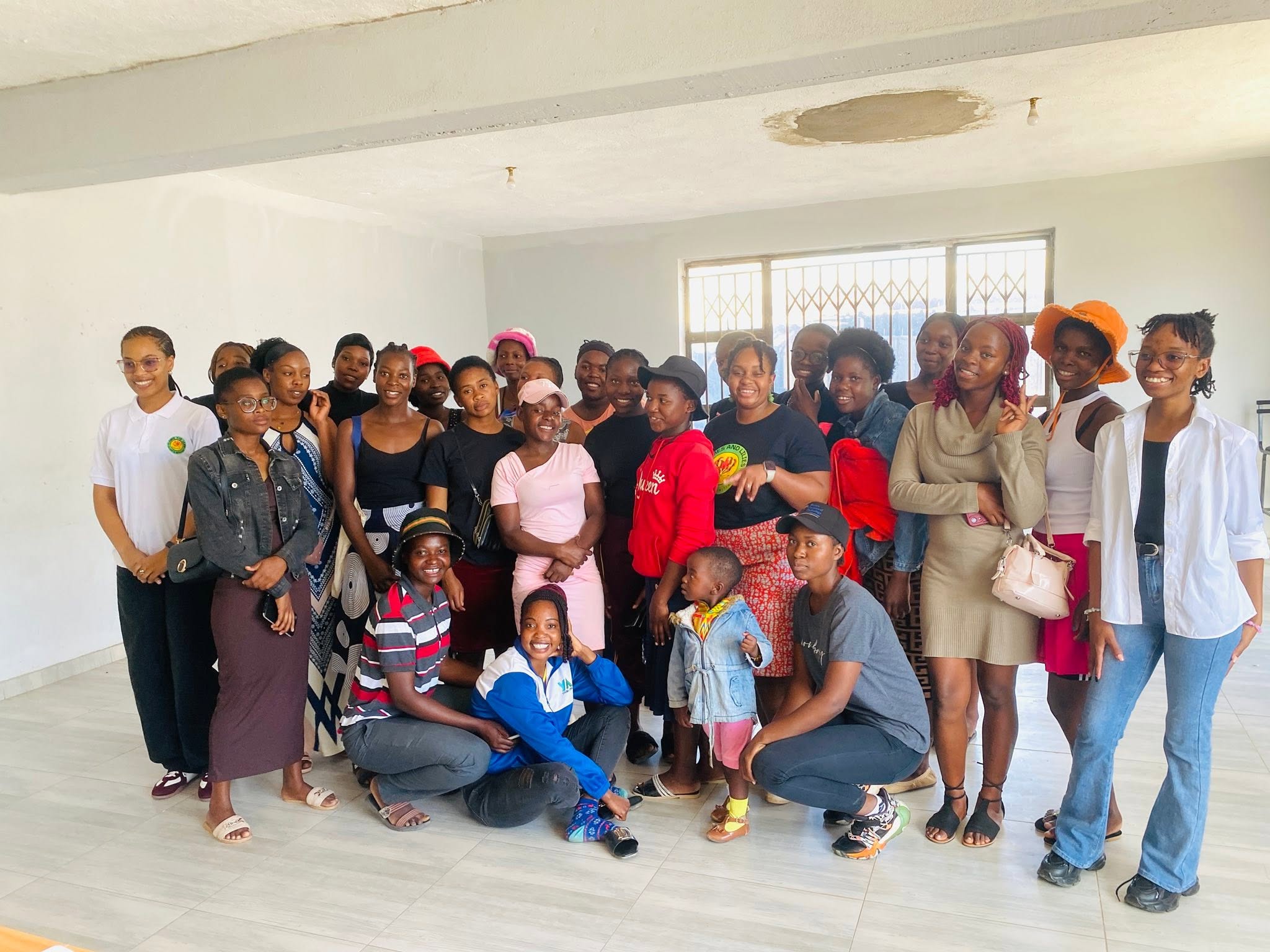
From the very first day, we built ECO FLOW on consent and openness. The programme opened on 22 April 2026 with welcome remarks from Mr Pasipamire, Youth Officer for Epworth and Ruwa district. He set a warm and inviting tone for the twenty participants and seven facilitators. Our partnership and community Development Assistant, Megan Hamukwani’s introduction to ECO FLOW and Flames and Lilies, paired with a survey on participants’ understanding of climate change’s unique impact on women, set a tone of transparency that carried through every session we ran.
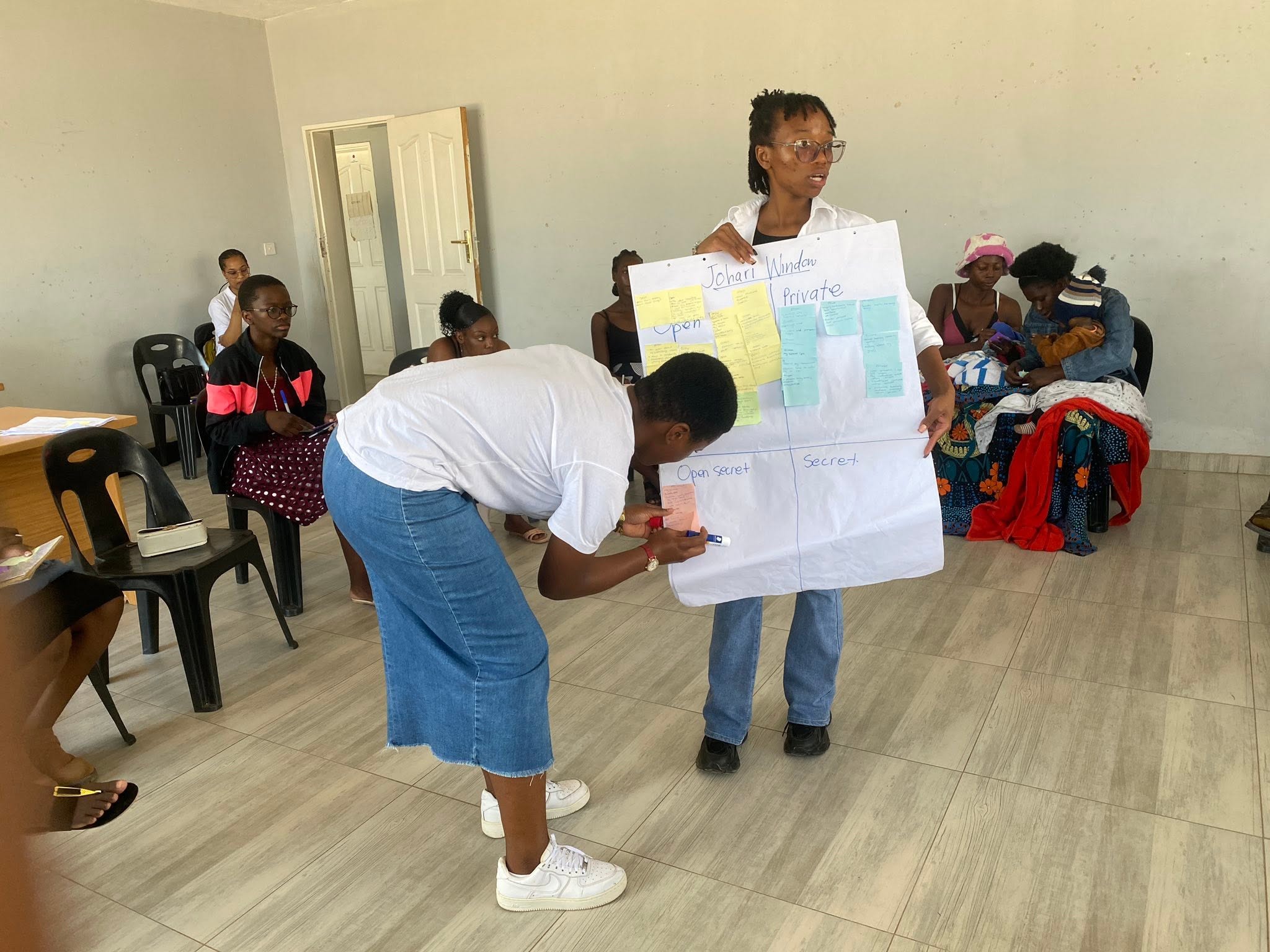
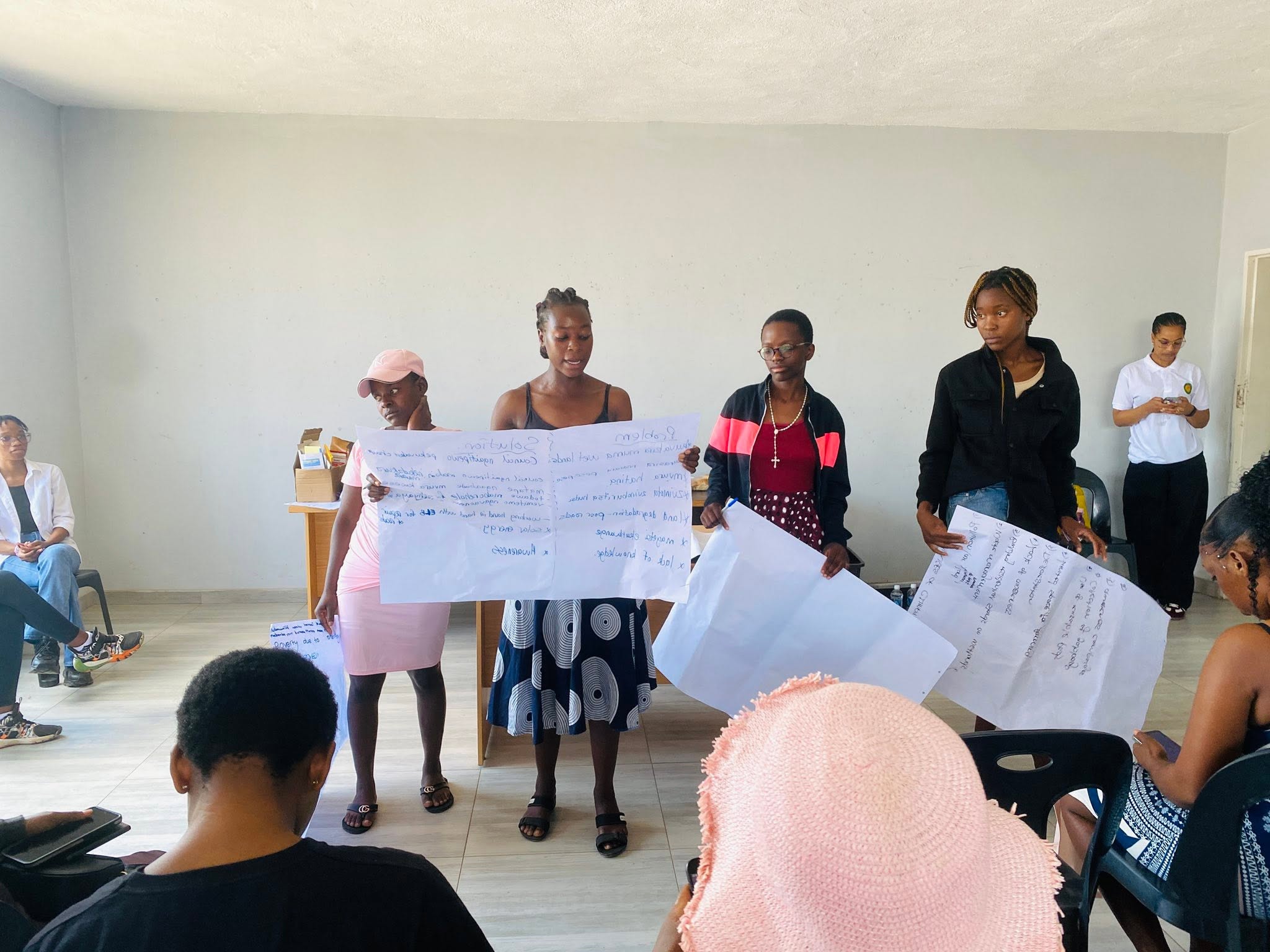
Sandra Nkosi, an amazing social work final year student at the University of Zimbabwe, grounded our session with theJohari Window. This activity gave participants a safe space to share personal experiences. It became a tool I came to see as essential as our conversations grew more candid over time. This session was also accompanied by a basic climate science learning session facilitated by Praise Govere from the Meteorological Services Department, which was followed by a hazards mapping and problem-solving session by FLCI director Chido Nyaruwata-Munodawafa.
Learning that took root at home.
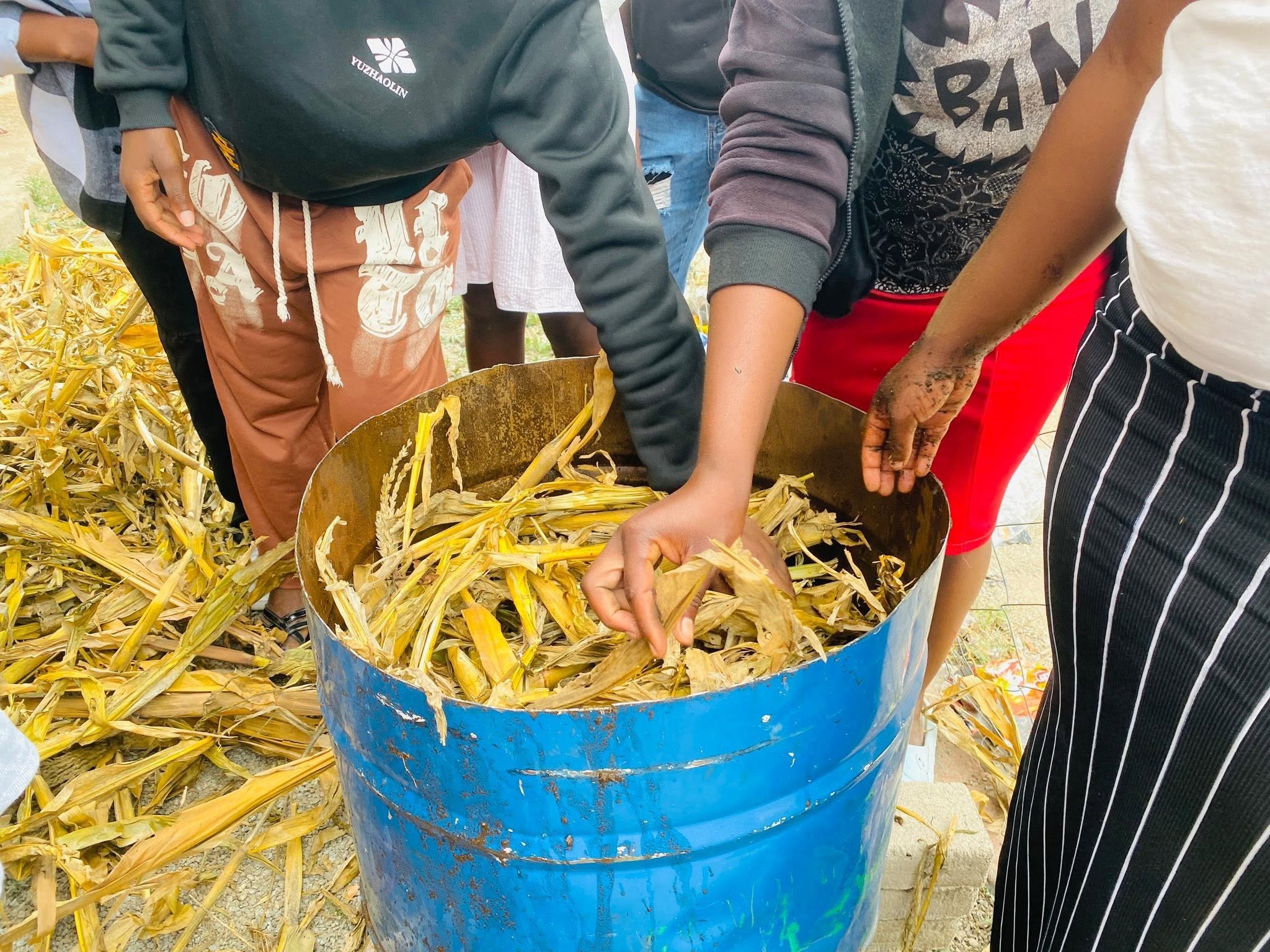
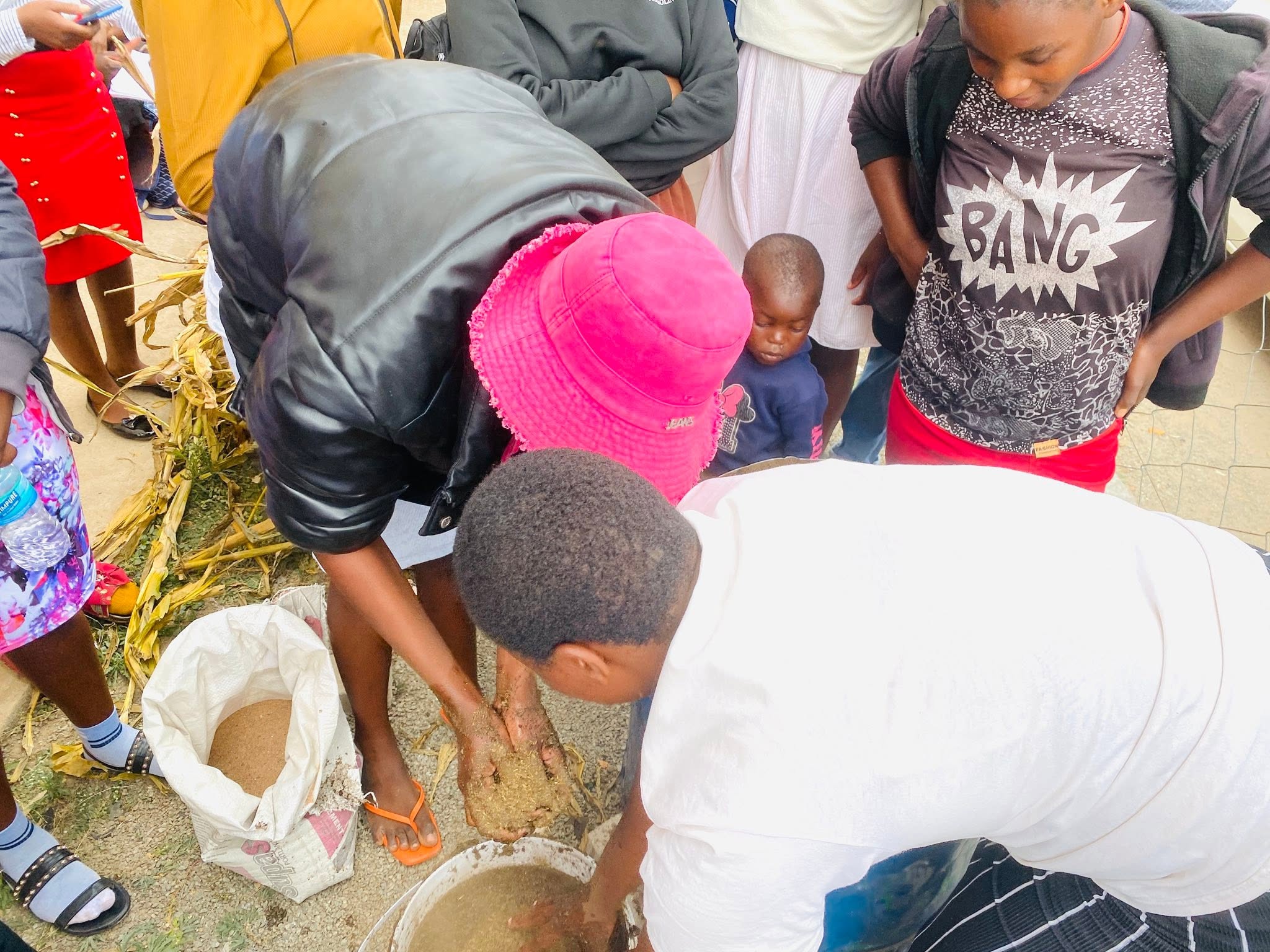
Our second session focused on Vermiculture Composting. The concept and practical was introduced by Mr Phineus Zabron of the Fambidzai Permaculture Centre. His engaging session was more than a lesson in worm farming to me. It became a demonstration of how environmental knowledge translates into livelihood. His session covered the materials required: red worms, a ventilated container, dry matter, food waste, and river sand among them. He explained how the practice supports employment creation, resourcefulness, and a cleaner environment, before a hands-on practical demonstration gave participants the chance to apply the theory directly.
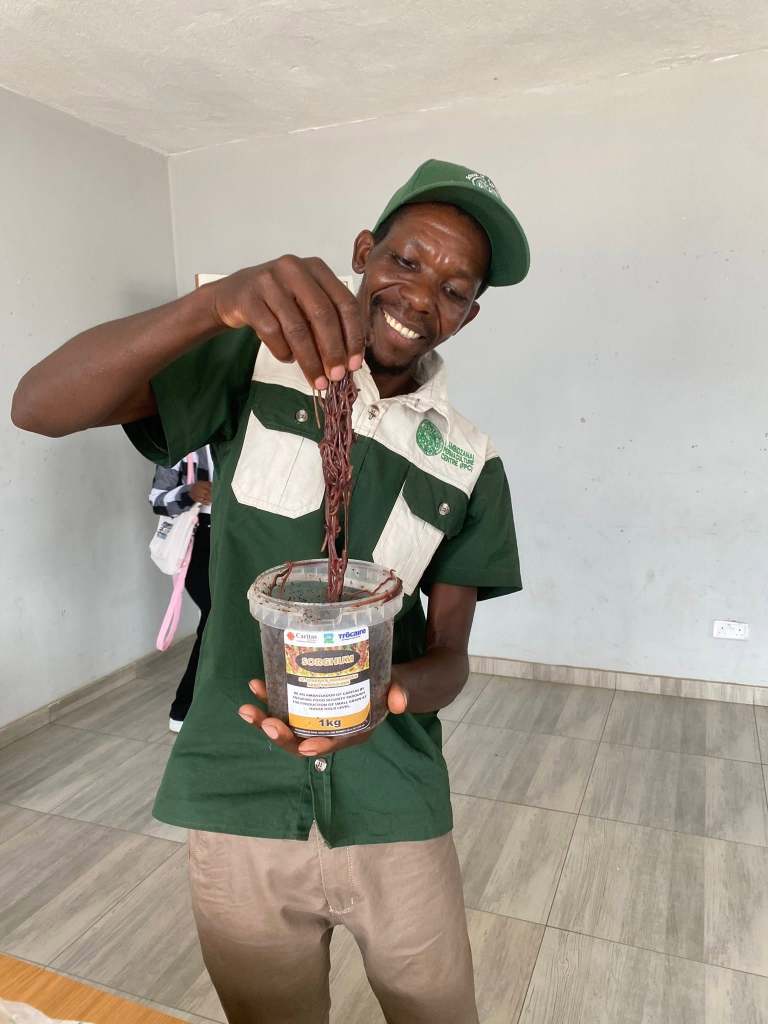
Within days, participants described how they had already shared vermiculture techniques with neighbours and family members, proof that our work was already spreading beyond the room.
Advocacy through storytelling.
During our peer advocacy and climate creative advocacy session, our facilitator, Sandra reframed the concept of “influencer”. She extended it beyond social media to policymakers, teachers, and community elders. It gave participants, and me too, a new lens on their own power. Through dramatised storytelling, we tackled difficult, often unspoken realities together: early marriage, the legal age of consent, littering and cholera, and cultural practices that override children’s legal protections. These weren’t abstract issues to us. They were the lived realities of Epworth, finally given voice.
Breaking the silence on menstrual health.
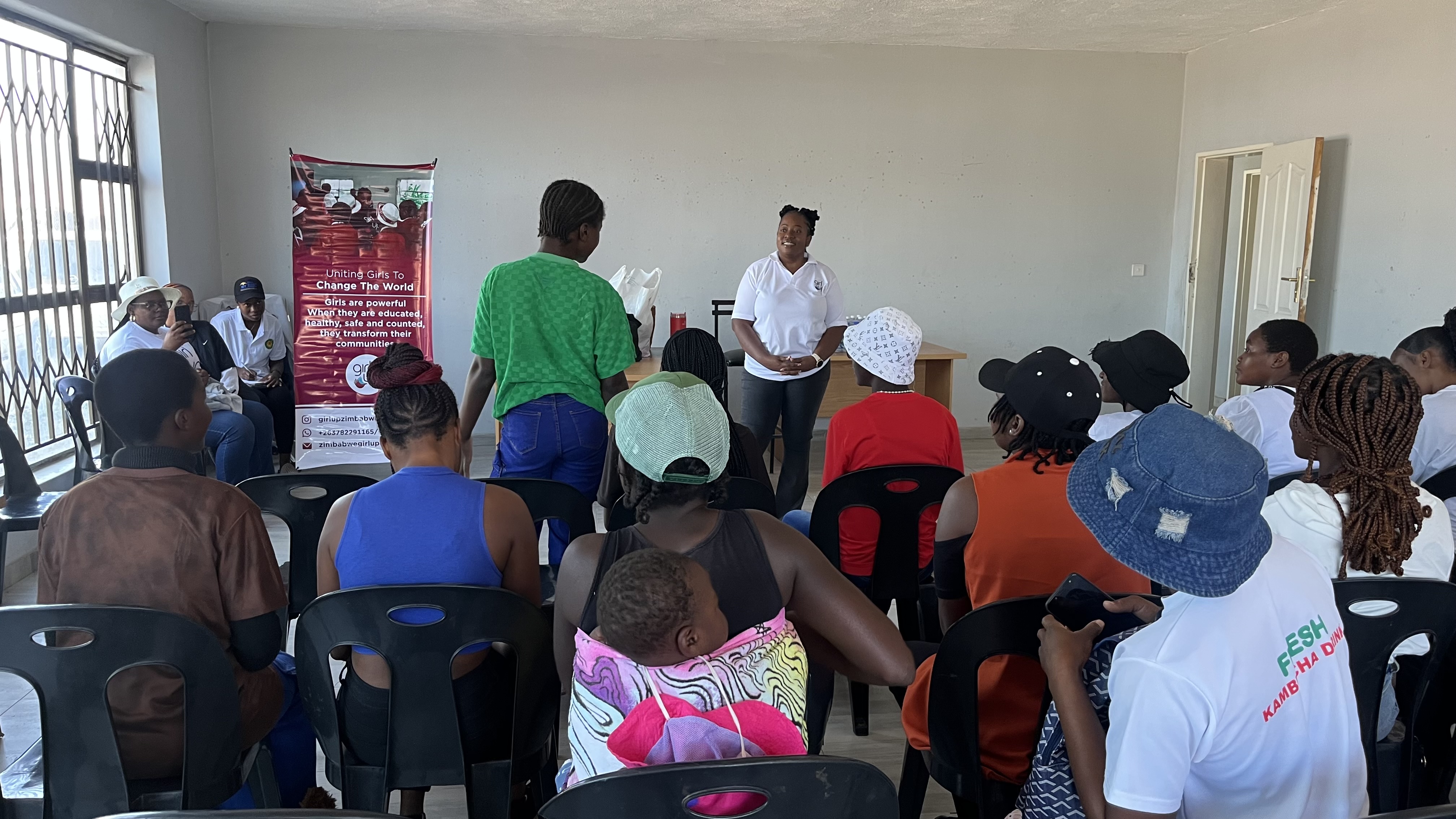
Perhaps the most powerful session for me came on 5 May, when our Girl Up facilitators led an open discussion on the menstrual cycle, dispelling long-held myths and sharing practical guidance. They spoke about the menstrual and follicular phases of the menstrual cycle, opening with a candid discussion of common myths. Including beliefs that menstruating women should not enter places of worship, cook for others, or add salt to food and sharing practical guidance on managing symptoms, including the use of the traditional herbal remedy gavakava. Participants spoke openly about their own experiences throughout.
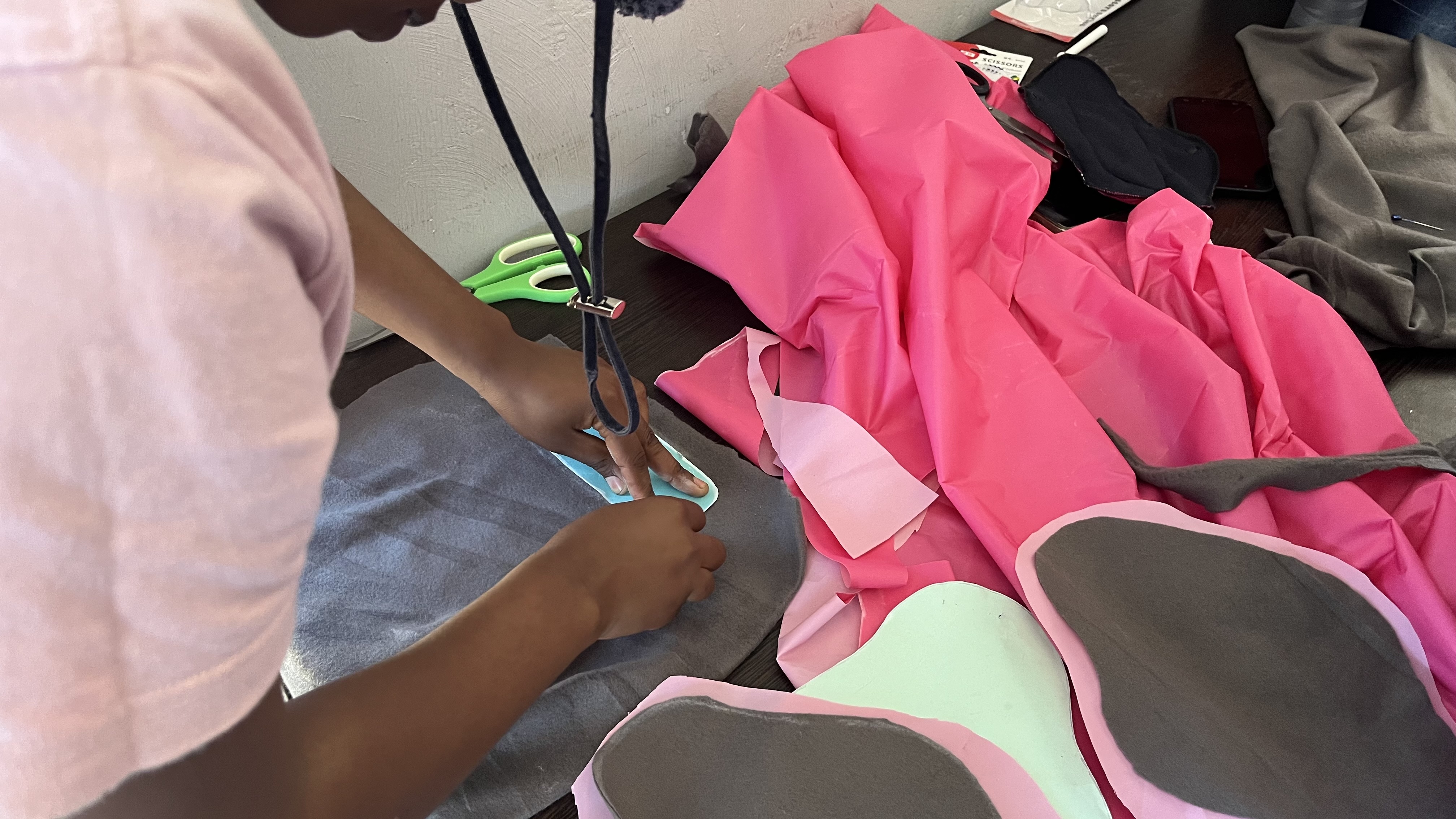
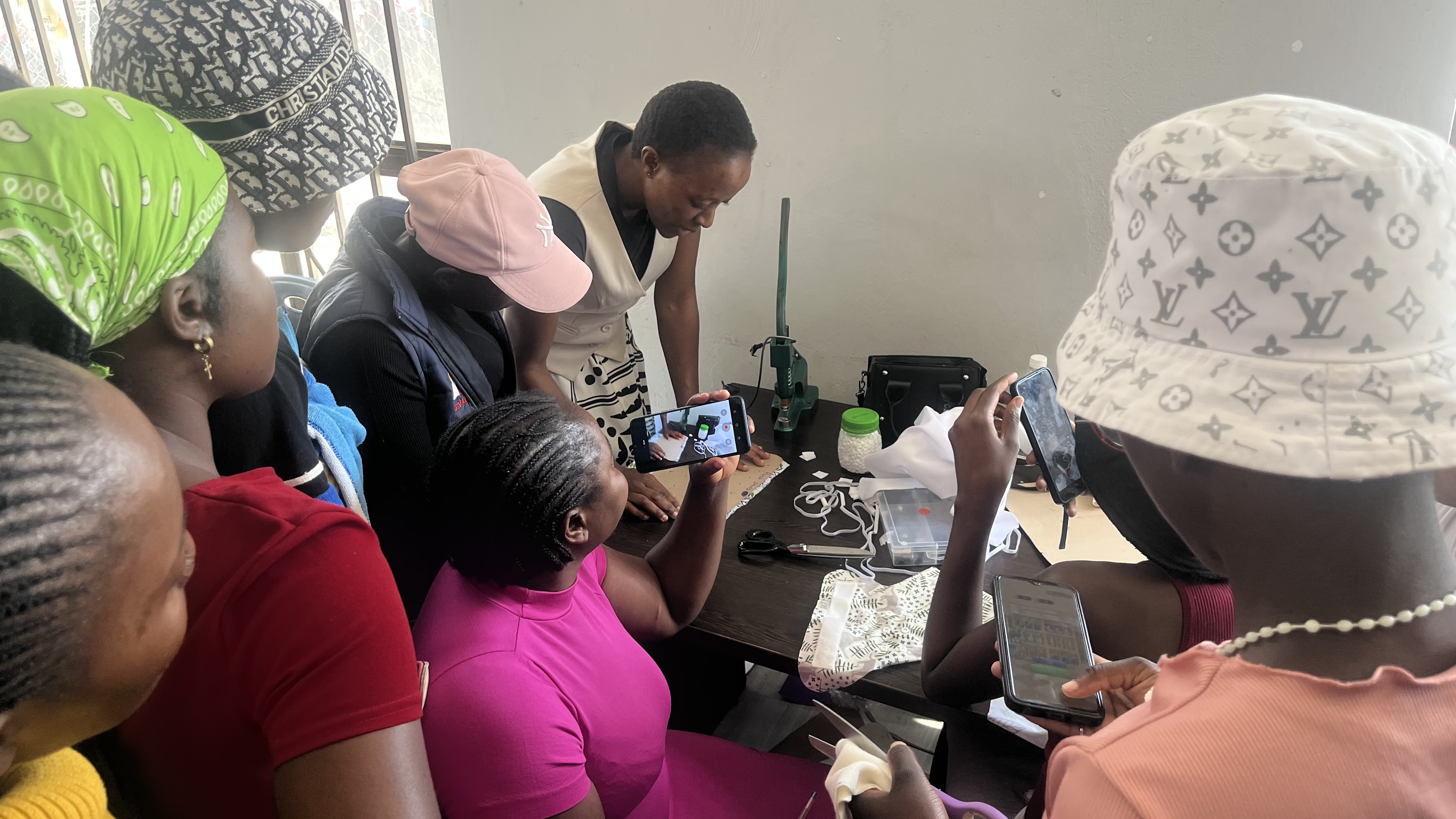
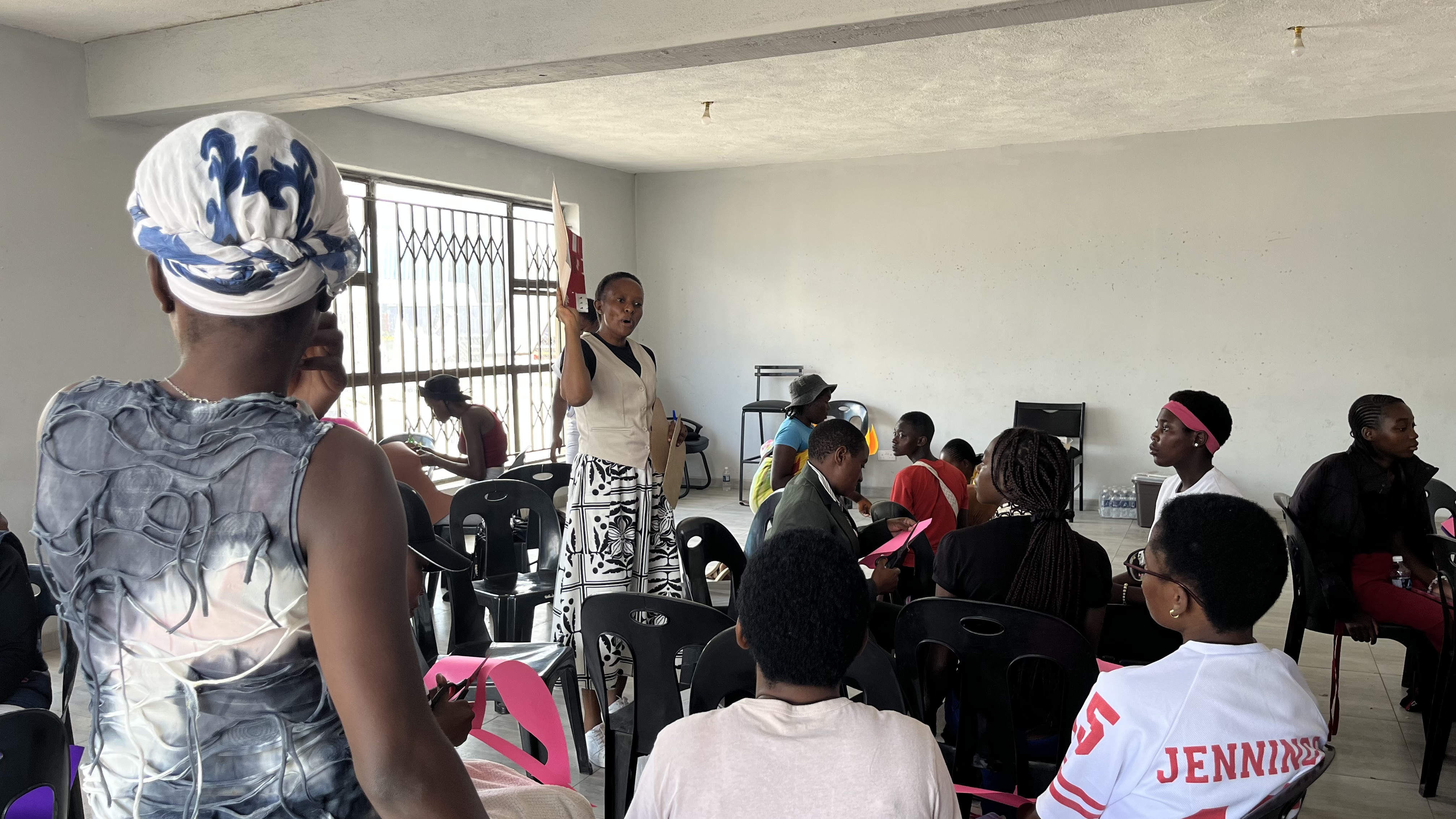
A second Girl Up speaker covered the ovulation and luteal phases, offering guidance on fertility awareness, emotional self-care, and informed decision-making. We closed the day with a hands-on session making reusable sanitary pads facilitated by Charltan Organisation. This is a skill that addresses both health and economic resilience, and every participant left with both a product and a transferable trade.
A new calling.
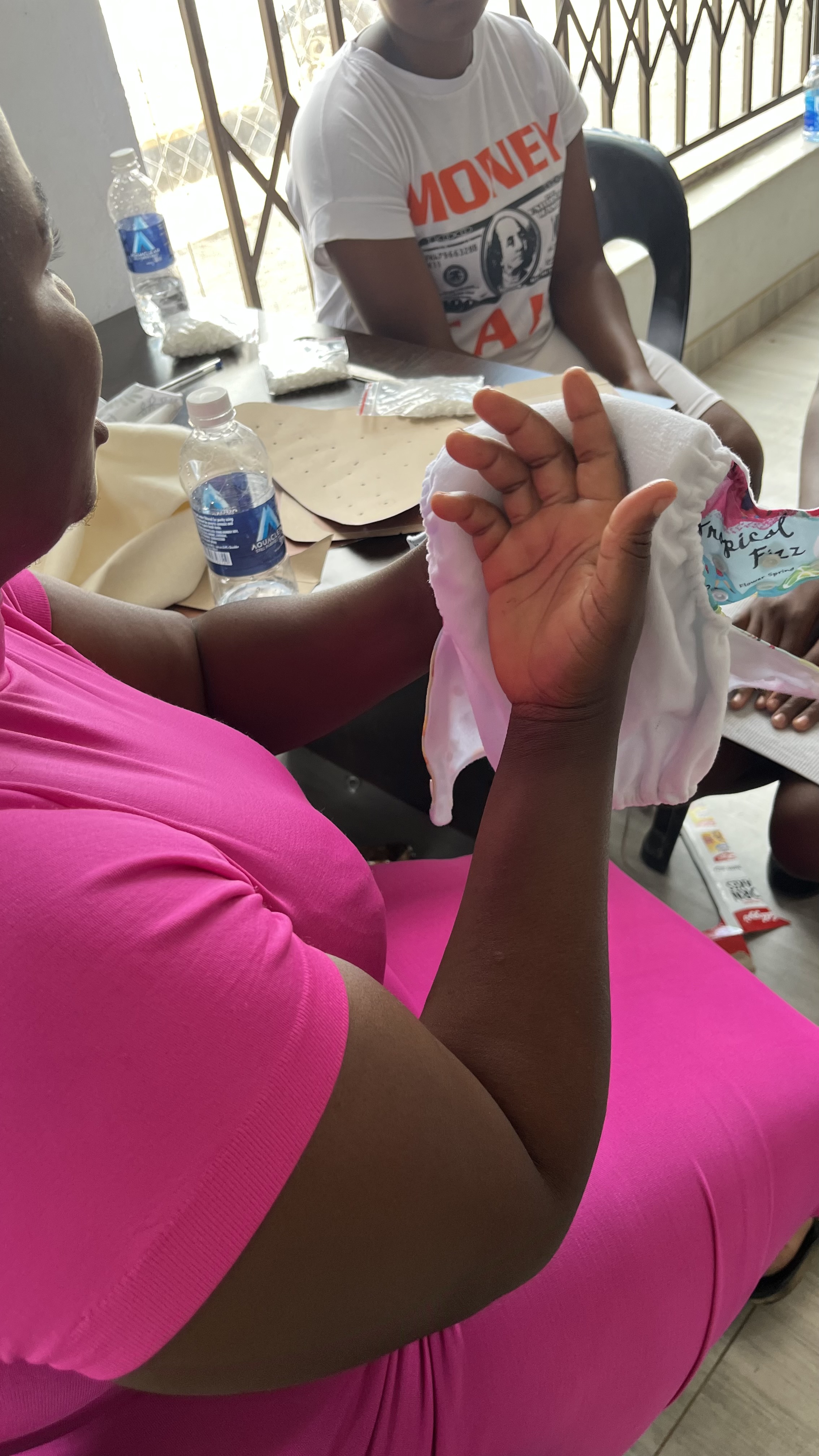
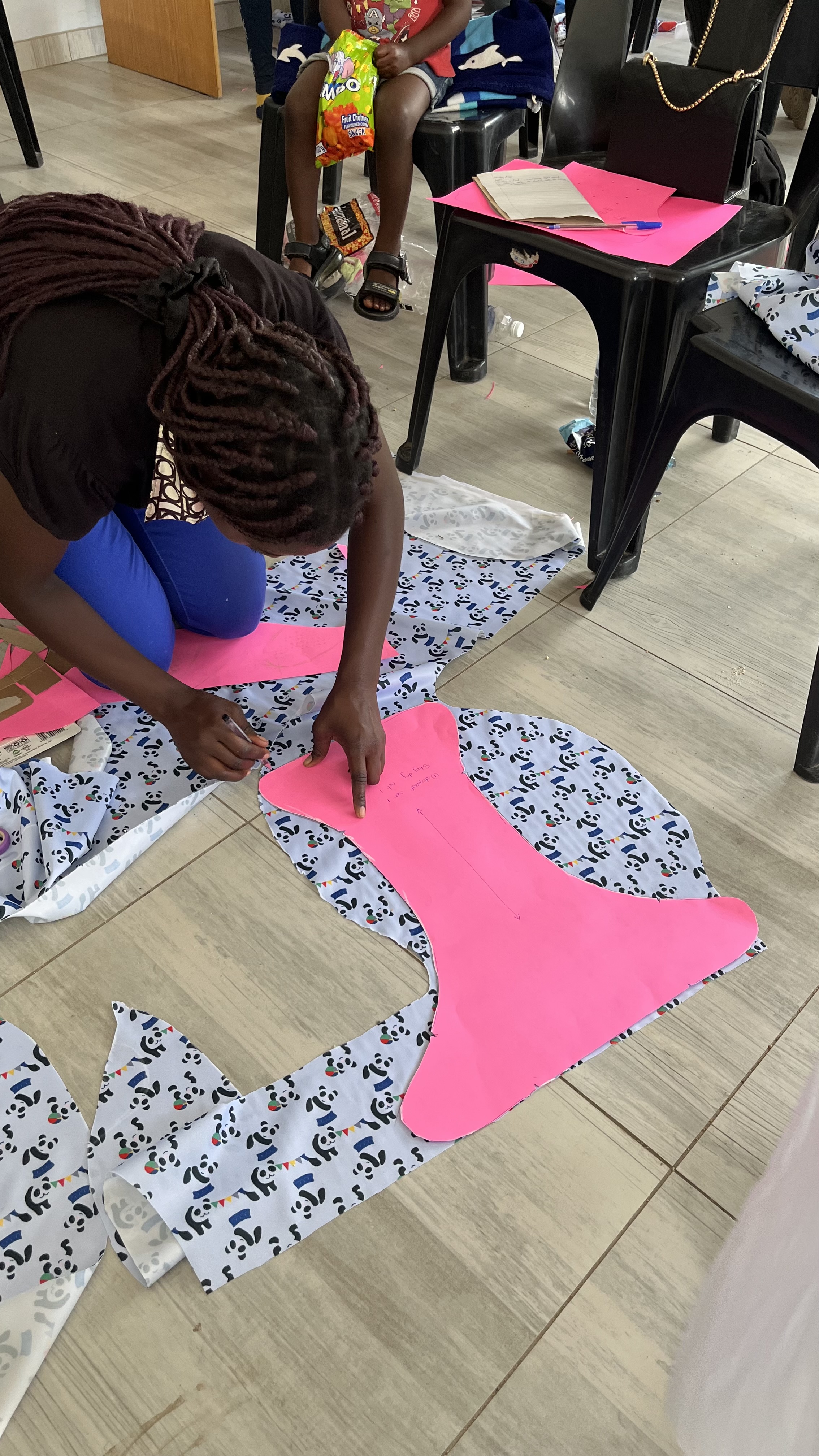
On 14 May, Mrs Elizabeth Nyamuda shared her own story of resilience with us. She ran a reusable cotton diaper manufacturing business, Tamba Washables, before circumstances forced its closure in 2022. Whilst the green enterprise has closed, she was willing to teach the skill directly to a new generation of young women. Before the practical component, her theoretical session covered the stages of washable diaper making, pattern drawing, pattern cutting, and cloth cutting, along with the advantages of washable diapers over disposable ones. These include adjustability, comfort, reduced chemical exposure, durability, cost savings, and their potential as a home-based business opportunity.
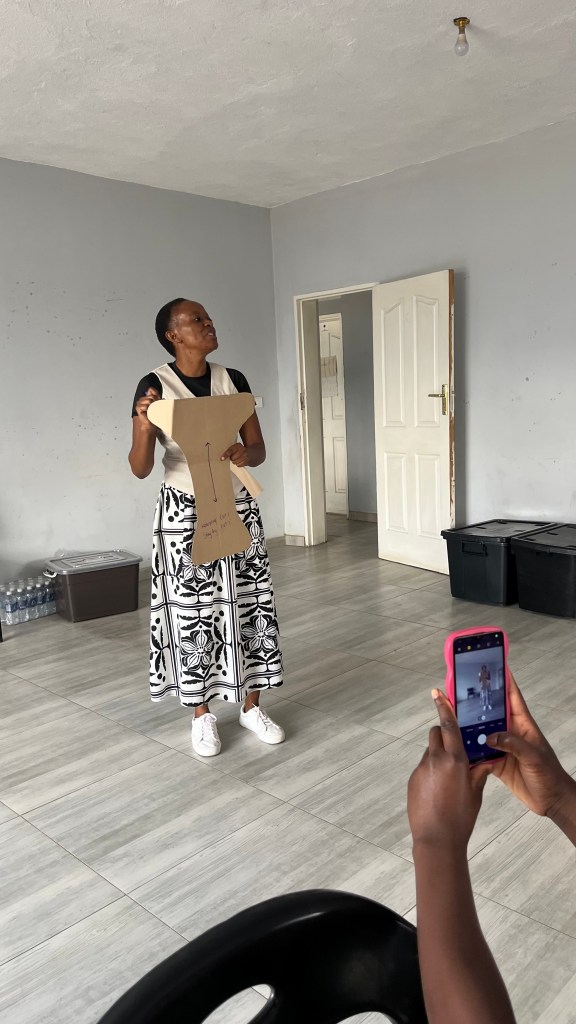
She also addressed the practical realities of sourcing materials, noting that the cotton and bamboo fabrics required are largely imported due to local scarcity and import regulations. It was so fascinating to watch the participants and facilitators make the diapers during the second half of the session. It fell to me to close that session, and I remember thanking her, our visiting Africa Climate Alliance ambassador, and every participant in the room, before announcing the date that would bring us all back together one final time.
Coming full circle.
Our final session brought everything together. Tabeth Chingwaru, our Communications Assistant gave participants the tools to turn their new skills reusable pads, washable diapers, painted artwork, into income.
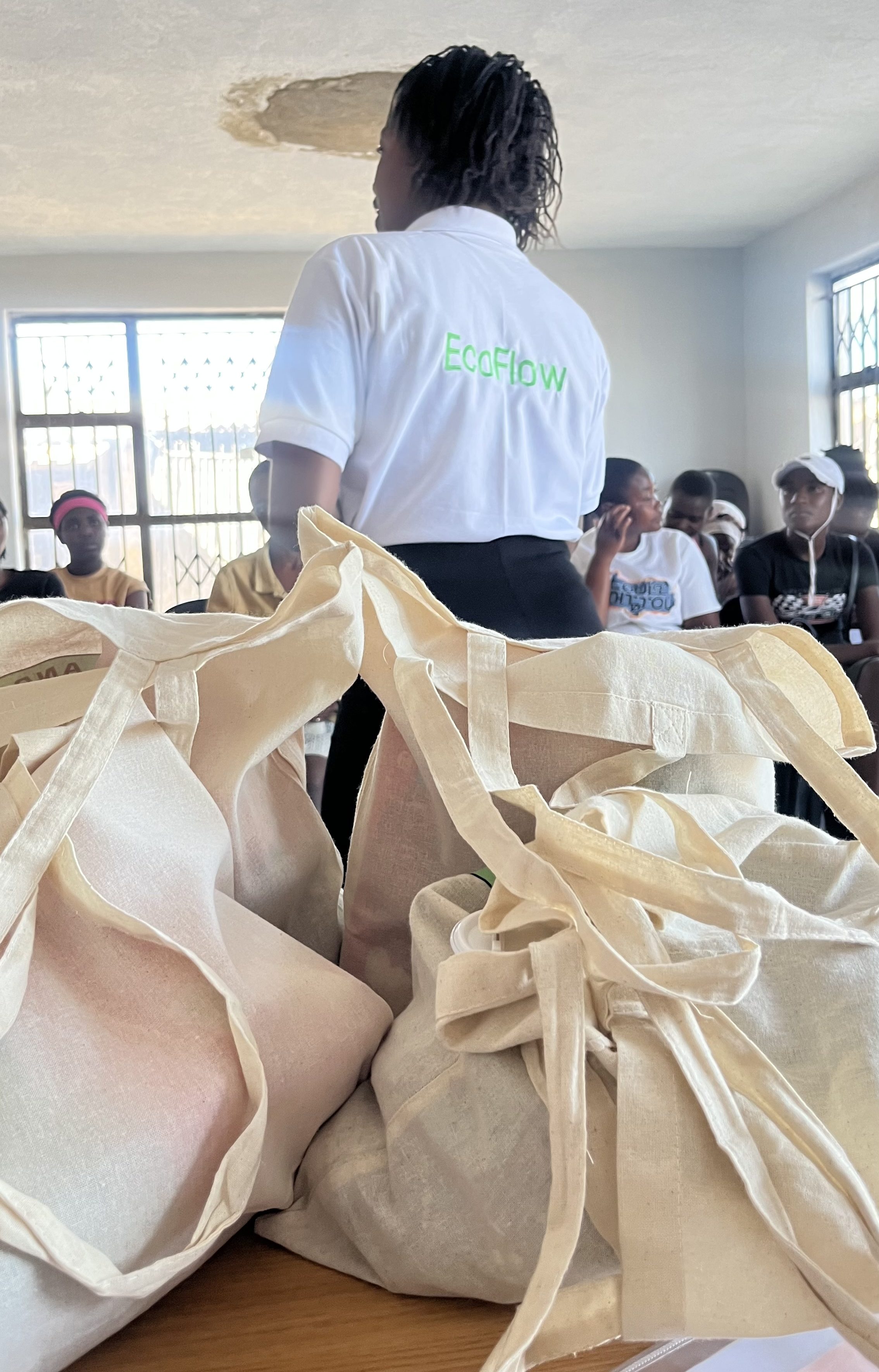
Her presentation focused on digital communications and marketing. She emphasised that effective marketing builds trust, creates community awareness, and educates customers. This was an a point of particular importance for products like reusable pads and diapers, where adoption depends on understanding.
The day also happened to fall on World Menstrual Hygiene Day. alongside Flames and Lilies and Director Chido, I helped hand out menstrual kits filled with reusable and disposable pads, hygiene essentials, and sanitiser. We also recognised participants with certificates for their commitment across all six sessions.
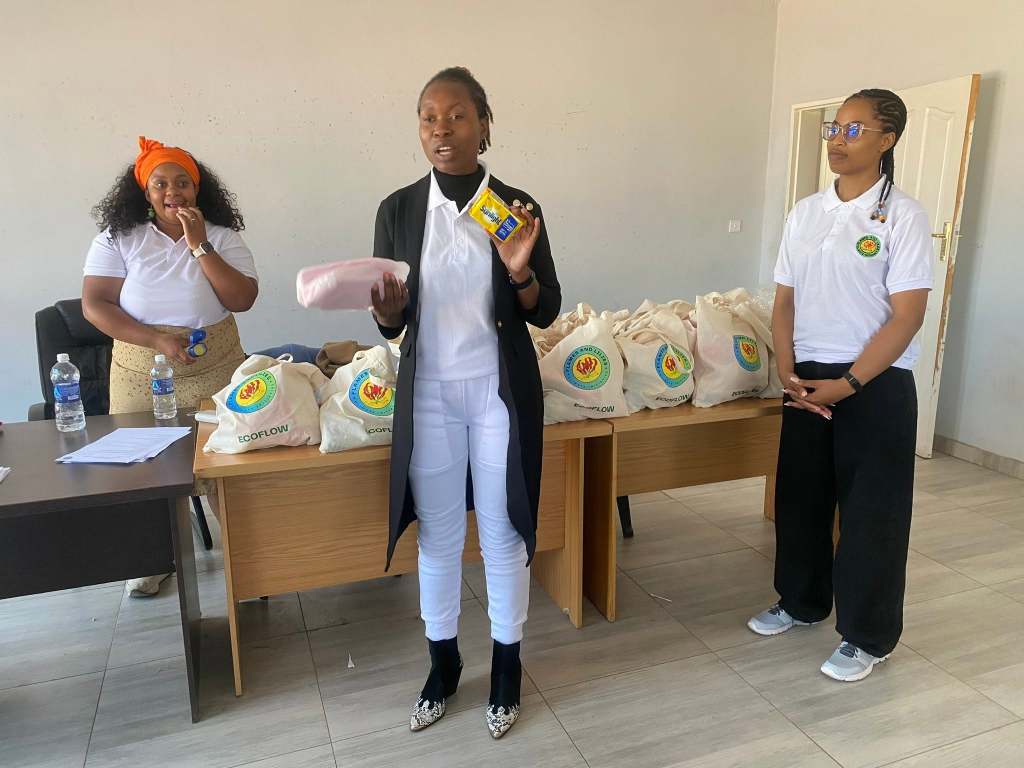
Passing it on.
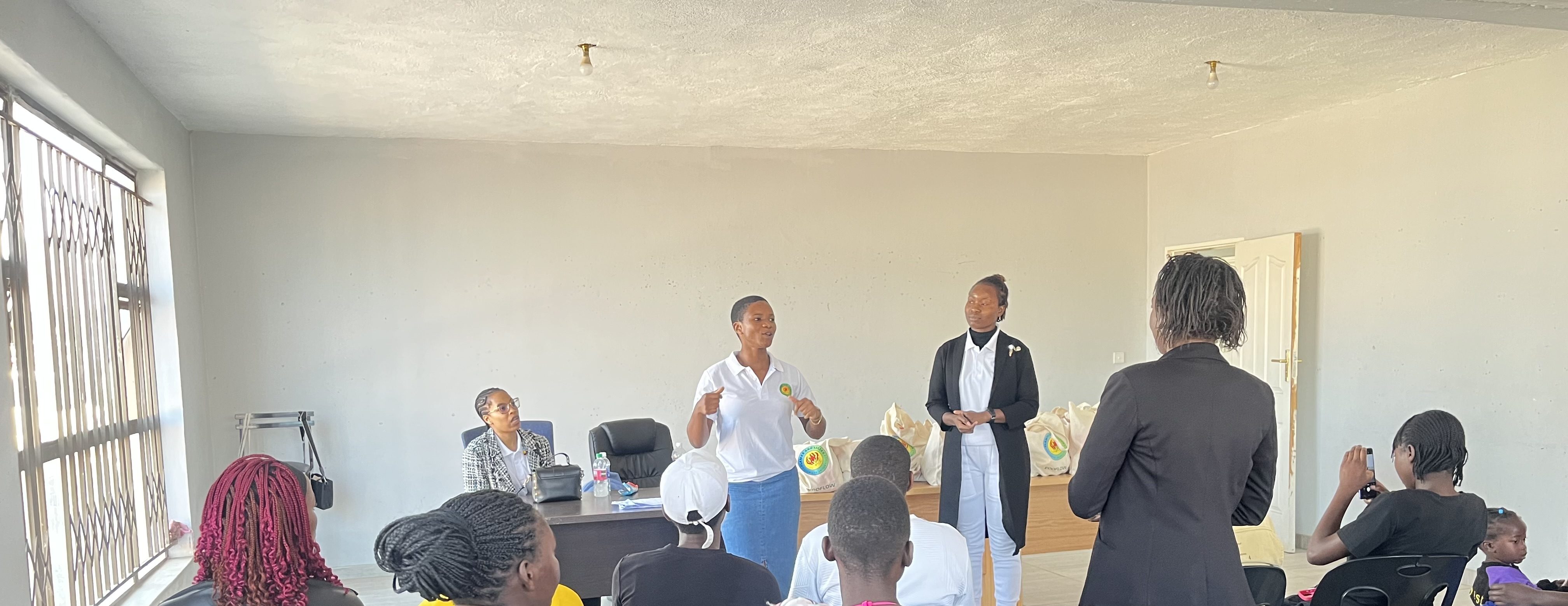
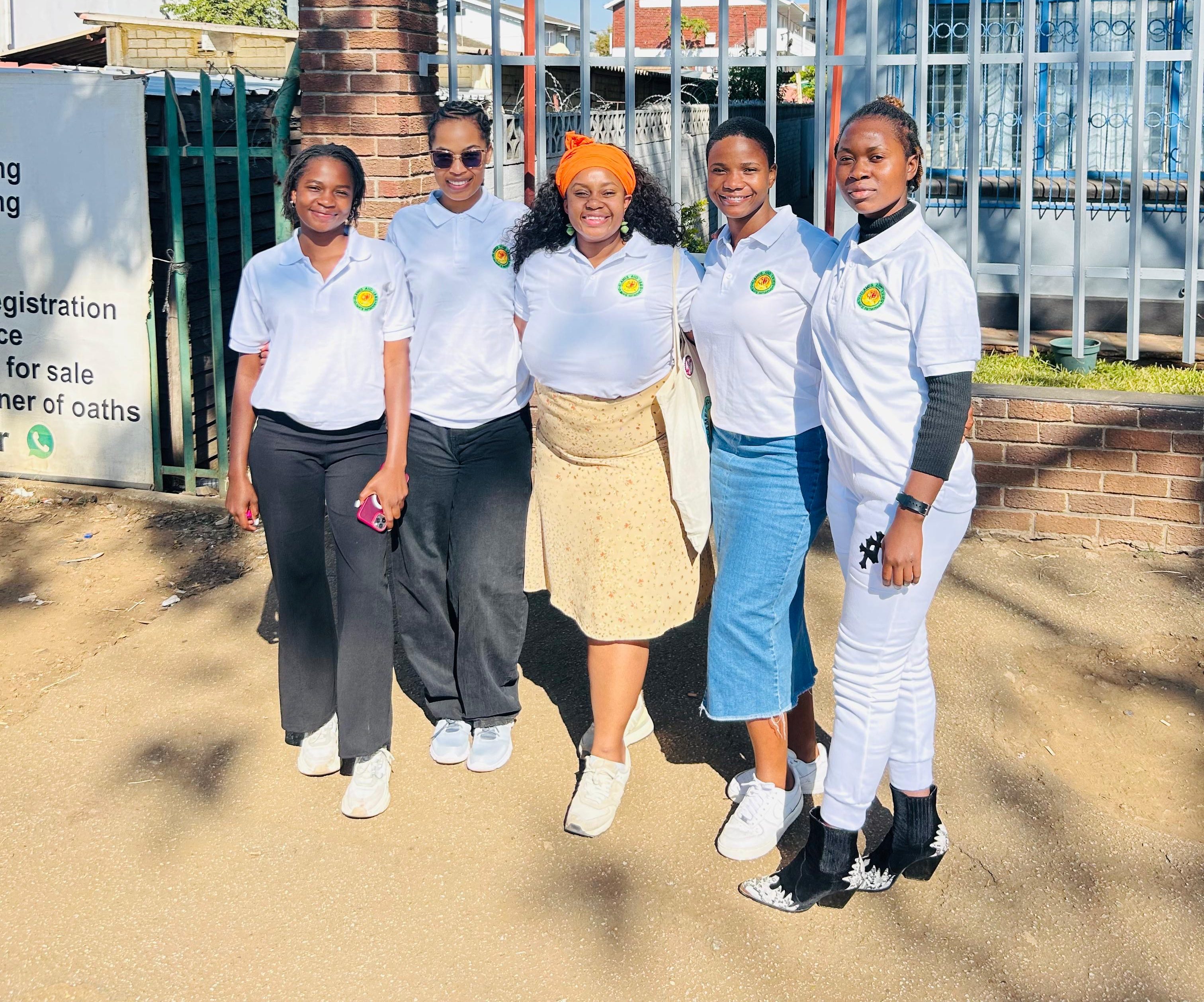
One of the moments I will carry with me from the final day was standing alongside Matula Changara and speaking not just as a facilitator, but as someone who had herself been shaped by Flames and Lilies. Both Matula and I are volunteers with the Flames and Lilies Climate Initiative. We were trained by the organisation on climate change impacts, disaster risk reduction and protective actions for women and vulnerable communities. That history felt important to name. Together, we shared our gratitude with the ECO FLOW participants and encouraged them to join the initiative. To carry what they had learned back into their communities as peer advocates.
Another key highlight was the shift in how participants spoke about themselves by the end. Many no longer described themselves simply as learners, but as community resource persons and peer educators, people equipped to teach others what they themselves had just discovered. Some have already enrolled in further vocational training; Fadzai Njema, has gone on to study sewing at Young Africa, under the Safe and Inclusive Cities Initiative co-implemented by Dialogue for Shelter Trust. She will be building directly on what she learned in our sessions.


Leave a Reply