Writer, Talent Murawo , Flames and Lilies Member and Volunteer
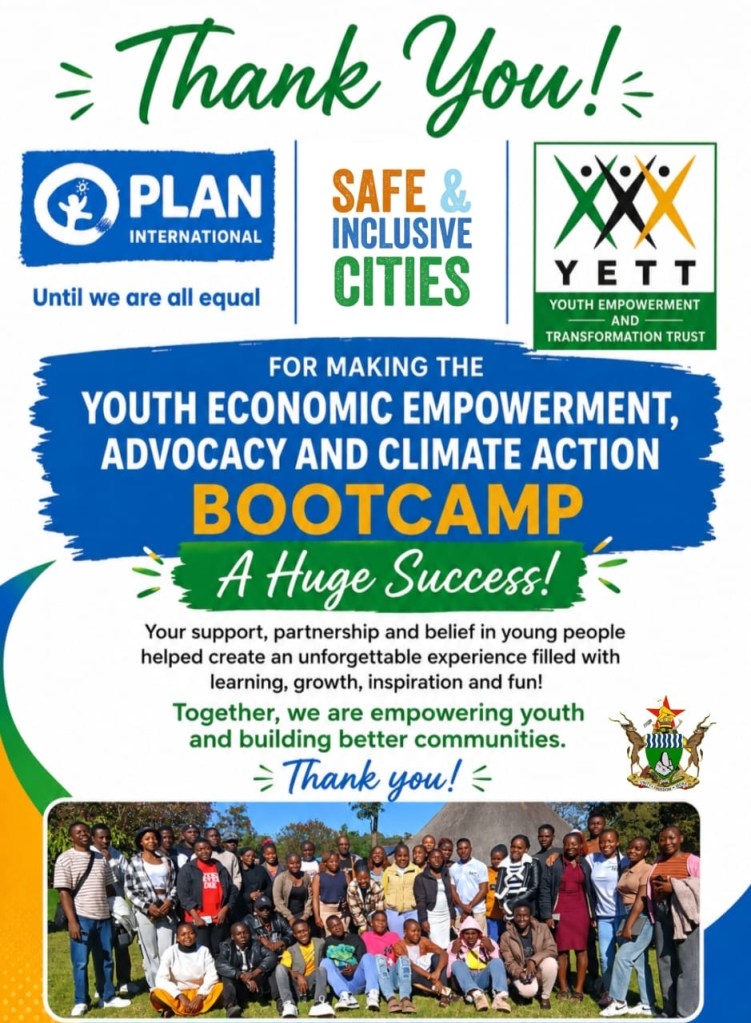
As a youth from one of Zimbabwe’s marginalised communities, I was selected by YETT to take part in the June 2026 boot camp, an experience designed to empower us intellectually and physically with the knowledge and skills needed to grow into helpful young people who can make a meaningful difference in our communities and country. Throughout the boot camp, we explored issues such as advocacy, climate justice and the green economy, disaster risk reduction, Zimbabwe’s economics, and youth economic empowerment, transformation, and leadership styles, among other essential topics.
Going through the topics and activities one by one, I can safely say that every activity, exercise, and game carried a lesson connected to leadership and advocacy.
Building Accountability Through the Buddy System
On the first day, we were arranged into three groups: the Comrades, the Eagles, and the Brunos. Within each group, every member was paired into a “buddy system,” the main purpose being to keep each other accountable, watch over one another, and take responsibility for each other’s actions, not by blaming, but by working together to overcome challenges.
Lessons from the Morning Jog
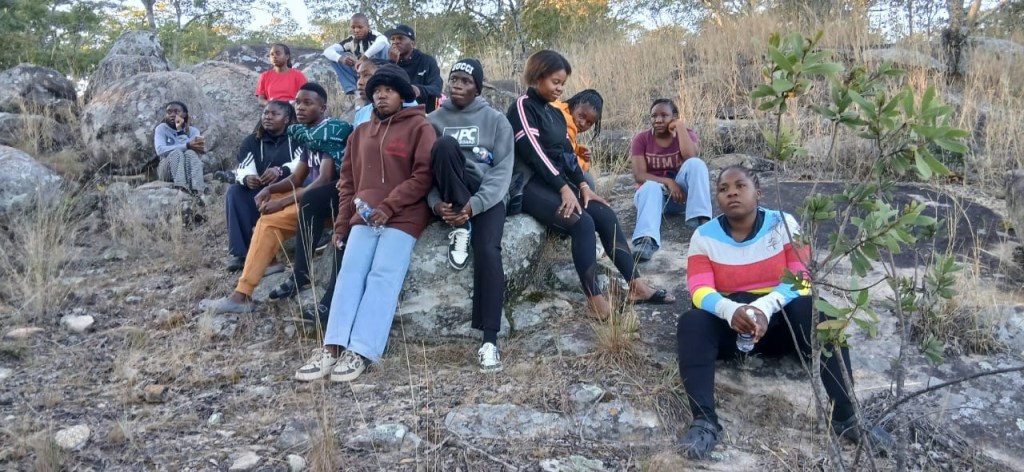
This lesson came through most clearly during our early morning sessions, when we had to go for a jog before 5am and meet at an agreed point. Before anything else, this taught us that as young leaders, we need to set timeframes and timelines before starting any activity, so that we can track our progress. It also taught us that the timekeepers, from both the girls’ side and the boys’ side, were responsible for waking everyone up and ensuring they were on time; if one person was late, the whole team was considered to have failed, and the whole team would be “punished” as a result. The lesson remains the same today: as youths, when we run an initiative, we need to assign responsibilities to one another and, most importantly, hold each other accountable without pointing fingers.
The morning jog stretched to nearly two kilometres, and we engaged in body stretches along the way. At times we slowed down, but we never stopped completely; instead, we kept moving while waiting for those who had fallen behind to catch up. The same applies to advocacy and leadership: it isn’t only about racing to the finish. We need to check that our team members are moving at the same pace, correct any errors along the way, and look back to track our progress, all while continuing to move forward.
When we reached our stopping point, we did stretches and workouts that symbolised the importance of refining our work: yes, we had run the race, but we still needed to carry out a focused assessment of everything we had done. The workouts targeted the neck, arms, stomach, waist, thighs, and legs, each representing an area in a community or country that may need advocacy and the proper implementation of strategies. The most important lessons from these morning activities were endurance, perseverance, and accountability.
Meditation, Leadership, and the Words of Minister Mafuta
After the morning jog, we sat down for guided meditation sessions. Why was meditation important? For me, it was about building a positive self-image, reminding myself why I was at the boot camp, and thinking through how best I could make use of the opportunity. It brought relief, inner peace, a more positive self-image, and a sense of courage and boldness.
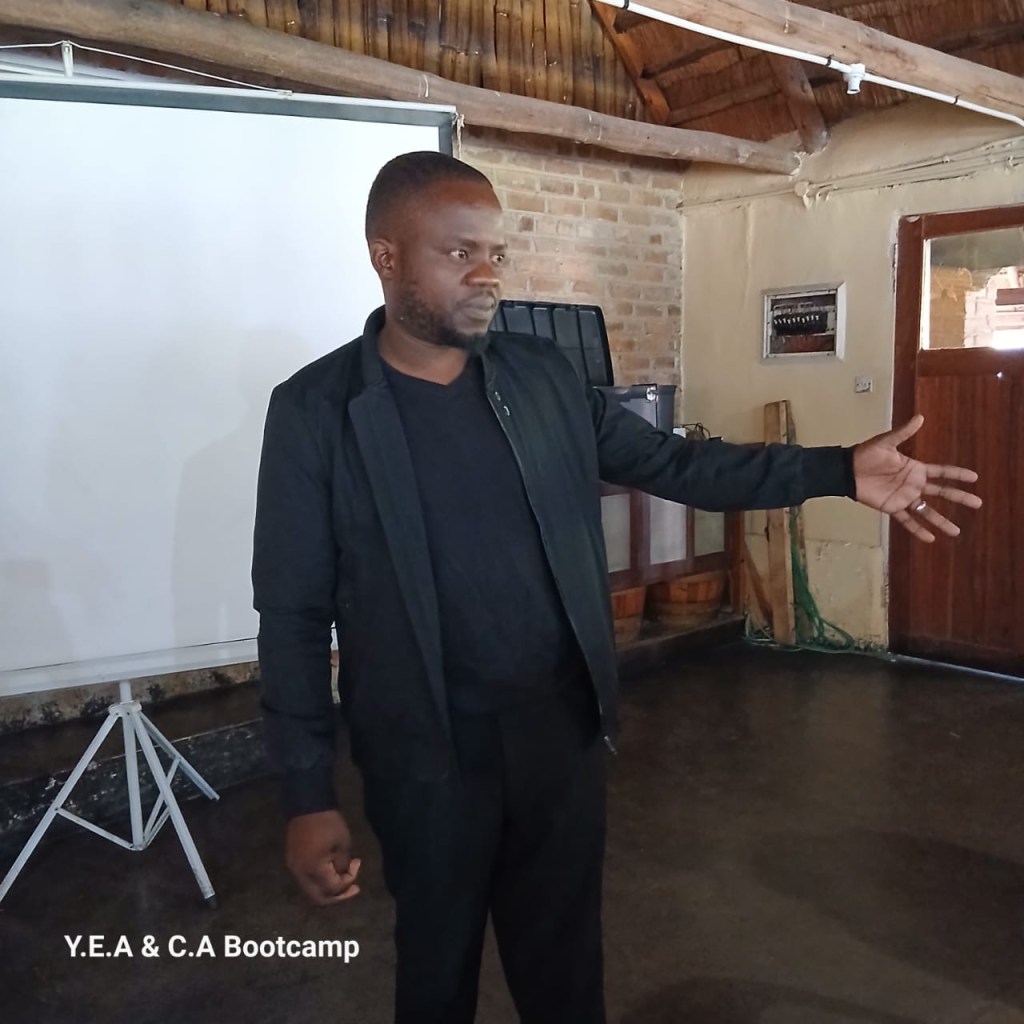
After these activities, we moved to the conference room for deeper discussions on advocacy, leadership and the styles of a good leader, climate change, and how to run digital campaigns. Through his presentation, Minister Jeffrey Mafuta taught me that young people are knowledgeable and skilled, and that we can positively influence governance, coordination, and decision-making processes. This, on its own, was a call for me to start a positive initiative in my own community. The Minister also elaborated on different leadership styles, including the promotion of individual and collective climate action, youth participation in decision-making and emergency planning, collaboration with duty bearers, resilience among young people, and, most importantly, social accountability. All of this was an effort to remind young people of their capabilities and of how much advocacy work still needs to be done.
Understanding Advocacy as a Deliberate Process
When discussing advocacy, the emphasis was on the benefits of creative advocacy over demonstrations, in other words, soft advocacy over hard advocacy. Advocacy was explained as the strategic management and sharing of knowledge to change or influence the policies and practices that affect people’s lives, using the example of the Budiriro tragedy, in which three people accidentally died in a sewer drain. I learnt that advocacy is a deliberate process with clear steps: first, assessing and researching the advocacy issue to identify its root causes, using evidence-based methods; second, setting advocacy goals and objectives; third, approaching decision-makers and influencers; fourth, identifying potential opposition and obstacles; fifth, assessing advocacy strengths, limitations, and partnerships; sixth, deciding on advocacy approaches and activities; seventh, crafting advocacy messages; and finally, measuring advocacy progress through adaptive management. The most important lesson here was that advocacy is not a blame game.
Climate Change Advocacy in My Own Backyard
We also went deeper into the issue of climate change, and any doubts that it was a “foreign” problem were cleared up. Its impacts are felt directly by Africans and Zimbabweans, from the continuous drought to Cyclone Idai, with the destruction of wetlands a particularly common root cause in Zimbabwe. I learnt about the proper steps to follow when planning a digital campaign on climate issues, or when engaging in climate advocacy more broadly. These steps can be broken down into the following questions:
- What is the problem?
- Who is the villain? (the problem-causers)
- Who is your audience? (where the message is going)
- What three content pieces will you create? (using social channels such as podcasts, reels, or poetry and art)
- What do you want people to do? (the expected results and reactions from your audience)
Conclusion
I have learnt that advocacy cannot be done recklessly; it requires proper planning and focused idea generation. I also learnt that anything I present must be backed by tangible evidence. Beyond that, the boot camp taught me persistence, endurance, and perseverance, as well as the value of collaboration and accountability. My word of advice to fellow youths is to take part in activities and boot camps like this one, to sharpen both your mind and your leadership skills.


Leave a Reply