A reflection on our first cohort with 26 learners at Deaf College Africa by Chido Nyaruwata-Munodawafa Team Lead
ECO-FLOW is a project that connects menstrual health management with environmental justice. The climate skills-based program seeks to strengthen the climate knowledge, menstrual health education and green skills of 50 adolescent girls and young women living in Harare and Epworth. A reflection on our first cohort with 26 learners at Deaf College Africa from November 2025 to March 2026. This work was supported by Soul City Institute
We launched the EcoFlow Project in November 2025, in partnership with Girl Up Zimbabwe, at Deaf Zimbabwe Trust. The project began in September 2025 through conversations, partnerships, and the practical work of learning basic sign language and disability-inclusive facilitation. From the start, we knew that if we were serious about climate justice, we had to be serious about who gets to be part of the conversation.
In Harare and Epworth, the climate crisis and the menstrual health crisis are not separate things. Water scarcity affects how girls manage their periods. Inadequate sanitation infrastructure keeps them out of school. Disposable products that they can barely afford pile up in communities already struggling with waste. These realities land hardest on young women and within that group, on those who accessible programming most often overlooks.
Our decision to initatie our climate education programming with learners at Deaf College Africa was deliberate. We wanted to ensure that we were contributing to young learners with hearing impairments and who are deaf where part of the conversation and solutions to climate action.
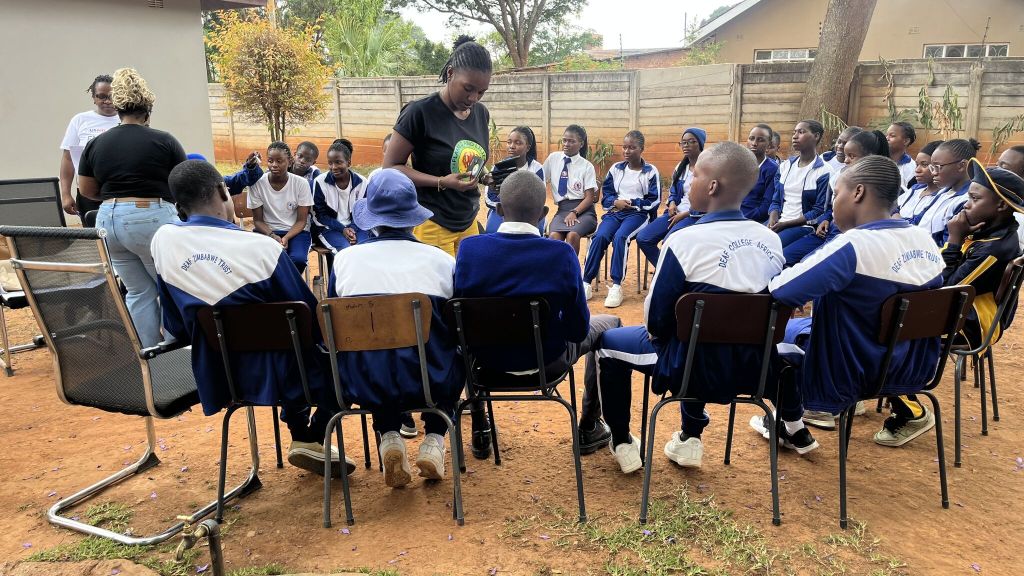
Over seven sessions from November 2025 to March 2026, we worked with 26 learners across different grades and forms. We brought girls and boys together to build something that looked less like a workshop programme and more like a growing conversation.
We started with Johari’s window in our introduction session, where we created a safe space for dialogue and interacting. As we unpacked what some of the things we speak about freely, keep in private or secret, the learners appreciated the environment to be open and self aware. This approach empowered the learners, boys and girls, to confidently and freely speak about climate change, climate adaptation, menstruation, and body autonomy.
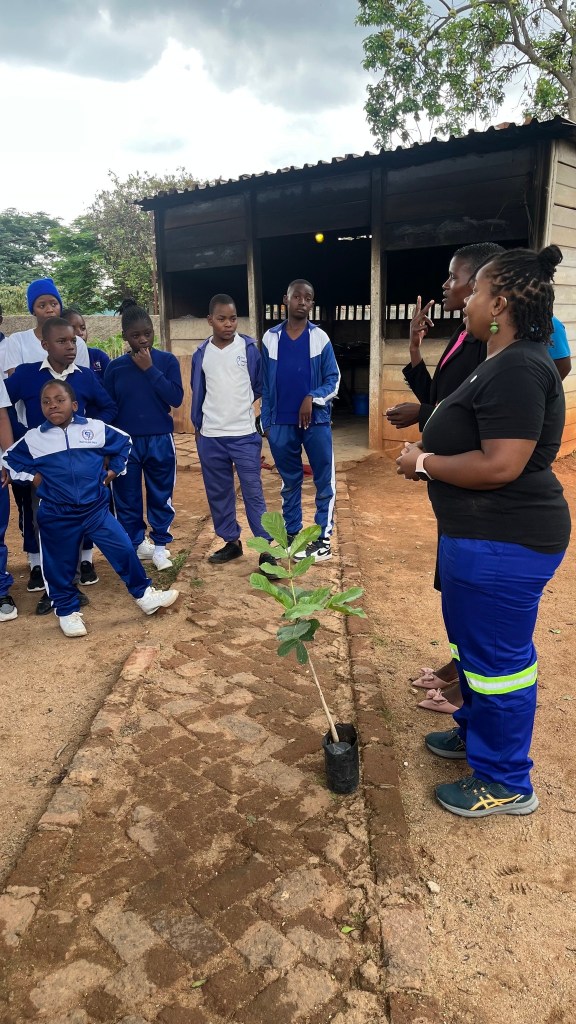
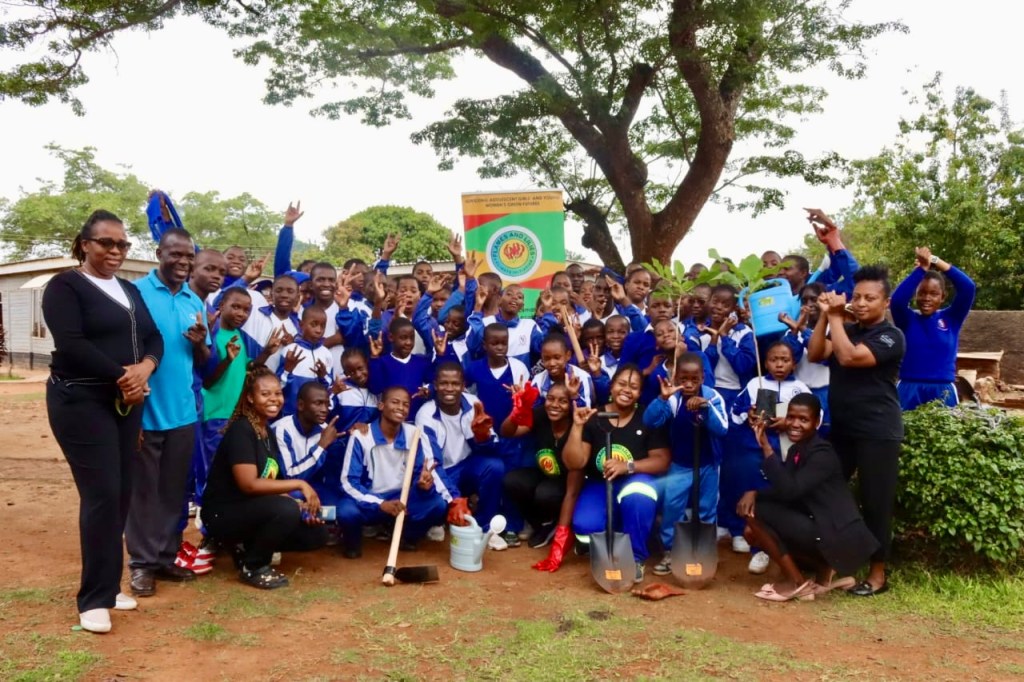
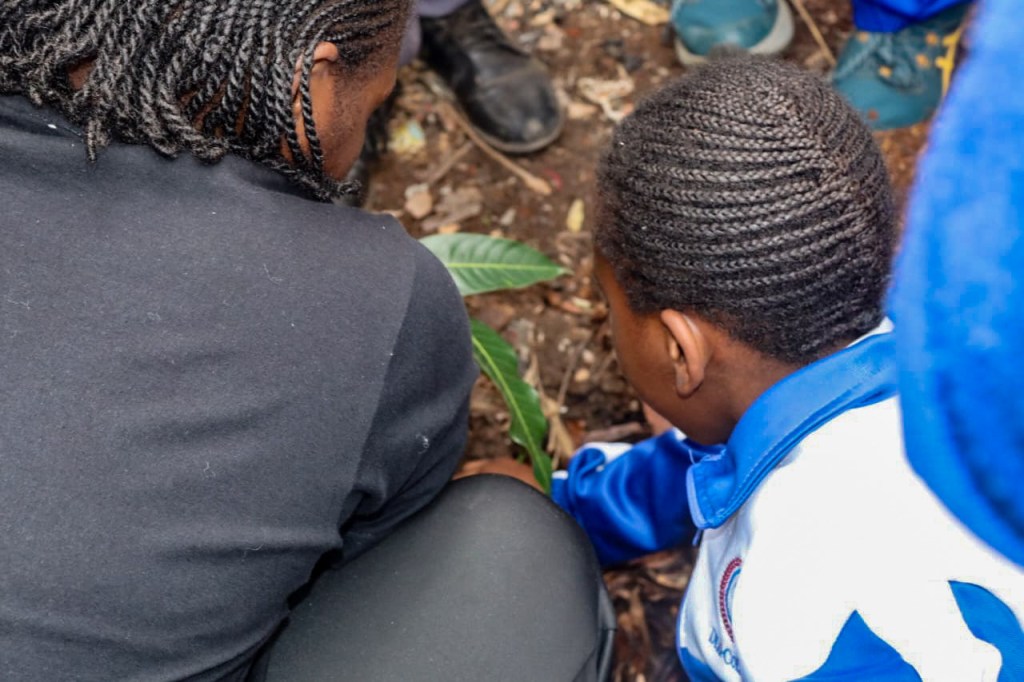
Tree planting took us outside. At an early National Tree Planting Day activity in November 2025, 60 learners helped plant four fruit trees in the school garden. We donated two mangoes, two avocados, and two Muveve trees, Zimbabwe’s Tree of the Year. When we explained that the Muveve fruit grows in a sausage shape, the learners were unconvinced. The laughter when it clicked was worth everything. Each group named their tree. Jackson. Tatenda. Blessing. Tyla. They took ownership, literally, of something that would outlast the session. By March 2026, all four trees were thriving.
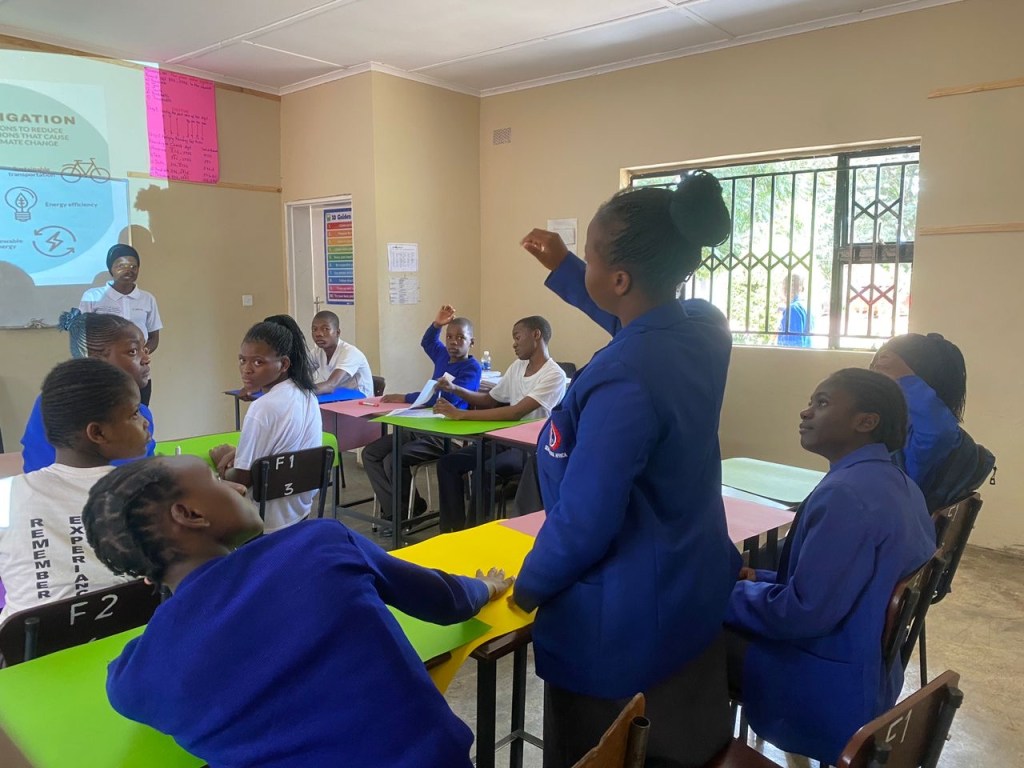
In the new term of 2026, we held 5 co-learning sessions. Starting with basic climate science session, they shared issues they already knew: why shade matters, what it means when the rains come late, and what their families do when the borehole runs dry. From that foundation, we moved into the harder questions, such as what fossil fuels are, the impact of deforestation, and the kind of choices communities and governments need to make differently. One afternoon, learners taught us how to sign coal, oil, and gas It was one of the best co-learning moments we have had in any project. This led us to share key climate terms in sign language with our online audience.
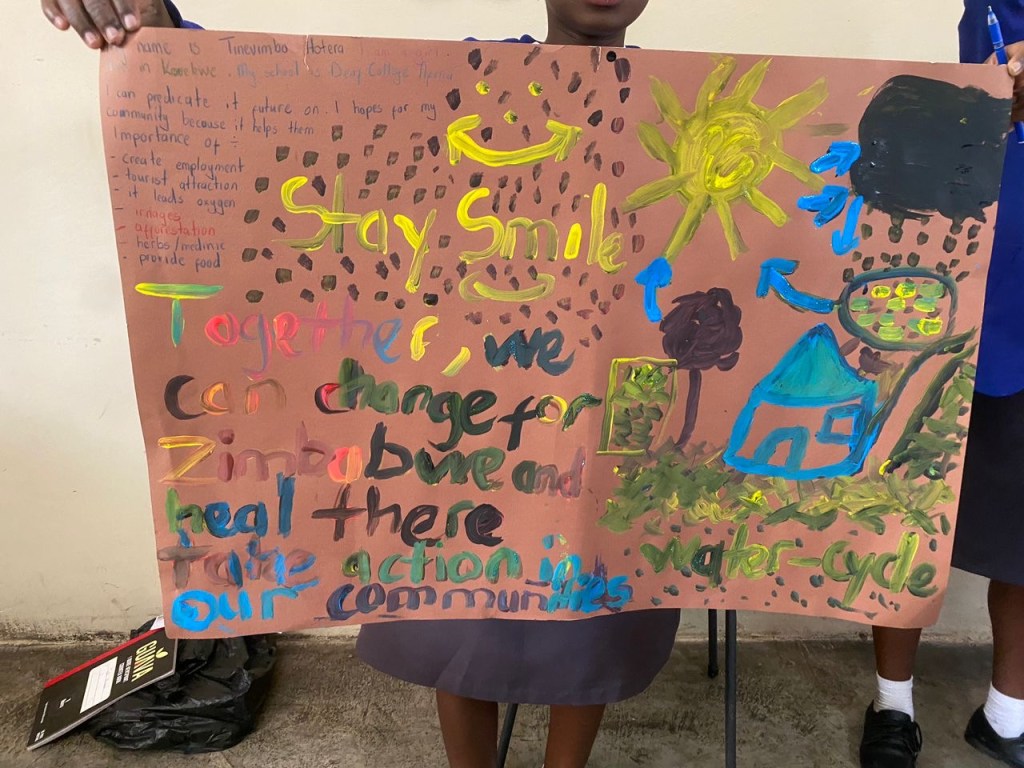
Climate art and peer advocacy gave learners a different kind of language. They painted and drew the futures they wanted, futures where water was clean and close, where food was enough, where buildings stayed cool without electricity. The peer advocacy sessions include using dramas to portray key climate and MHM issues, ranging from the availability of water in communities for drinking, washing and sanitation needs to establishing water harvesting systems. The students captured the perspectives and solutions from the views of community leaders, elders, school children and government representatives.
One of the key highlights as a team was introducing our climate hero, Lily Flames. For learners at Deaf College Africa, visual learning is not a preference it is how understanding is built. Lily Flames became the face of our climate education sessions, a character learners could see, respond to, and connect with.
Menstrual health was never a side programme. It sat at the centre of EcoFlow from the beginning. We cannot talk about environmental justice in communities where girls are missing school every month due to inadequate supplies and nowhere private to manage their periods.
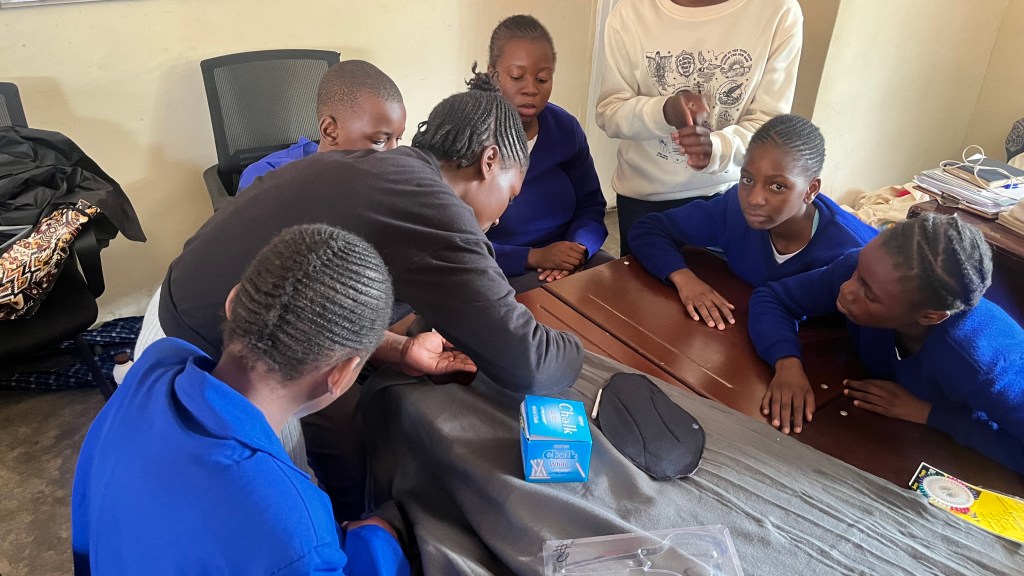
We created space for both girls and boys to learn together about menstruation and puberty without shame. We introduced sustainable alternatives: reusable pads, menstrual cups, and the environmental case for making the shift. And in our final sessions, every learner girls and boys made a reusable pad themselves.
There is something powerful about that. About a boy understanding, through the act of making, what a reusable pad is and why it matters. About a girl holding something she made with her own hands and knowing she can make another one.
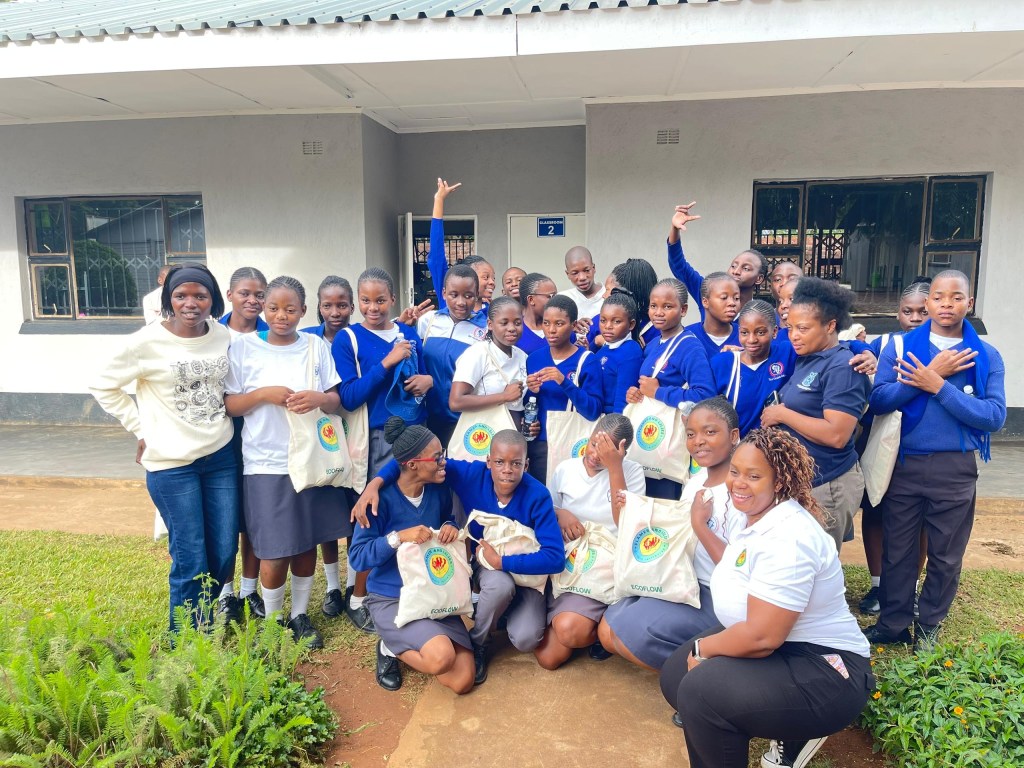
We closed the first cohort just before schools closed in April. Twenty-five learners including 20 girls and 5 boys went home with a menstrual hygiene kit. Our kits included 3 reusable pads, a wet bag, soap, a face cloth, Vaseline, wipes, and two packets of disposable pads.
But what we’re most proud of is harder to fit in a kit. It’s the confidence we watched grow in a learner who had never spoken up in a group before. The peer advocate who used what she learned to start a conversation in her own home. The boy who now understands that menstrual health is not someone else’s issue.
Throughout every session, sign language interpretation was not an afterthought; it was the architecture. It shaped how we planned, how we facilitated, and how we listened. The learners shaped the content. Their teachers shaped our methods. That’s what inclusive co-creation actually looks like in practice.
Climate education that reaches only some of us will not save any of us.
EcoFlow is our attempt to build something different spaces where young people with disabilities are not accommodated as an afterthought but welcomed as leaders of the conversation. Where menstrual health and climate justice are treated as the connected issues they are. Where peer advocacy, art, theatre, and hands-on making are understood as serious tools for serious change.


Leave a Reply