Each year, ALWN hosts an international generational retreat in one of its chapter countries. Between 5-7 September, the Government of Zimbabwe hosted the 7th Intergenerational Retreat. Purity Manyowa, a volunteer and trained participant of the FLCI project, attended the IGR and shares her reflections.
This poem was written by one of our participants in the Girl Led Disaster Risk Reduction: Securing Sustainable Futures Project – Talent Murawo
CLIMATE ACTION , Gender Based Violence Prevention.
By Empowering women we are all Empowering Humanity”
Rising temperatures, falling family relations it’s a thorn in the flesh.
A world in chaos waiting with desperate hearts as Climate Change fuels a deadly refrain.
Floods, fires, droughts, Cyclones and famines leave families with heart-wrenching desires to survive without fear and to thrive.
The excess heat outside seems to have lit up fire on family unions causing havoc , disagreements and deadly fights.
Climate Change a fuel to Gender Based Violence leaving tears on the cheeks of children, women and men and regret is the only thing left in the mind of the offender _Climate Change, a root of GBV.
Increased known and unknown vulnerabilities of women and Girls In displaced communities, forced marriages, abuse and sexual harassment.
The struggle to survive in a world awry leaves women and girls vulnerable passer-by
Everyone is torn apart.
“Rise, Modify , Adapt and Overcome Climate Action for a World Free from Gender-Based Violence”
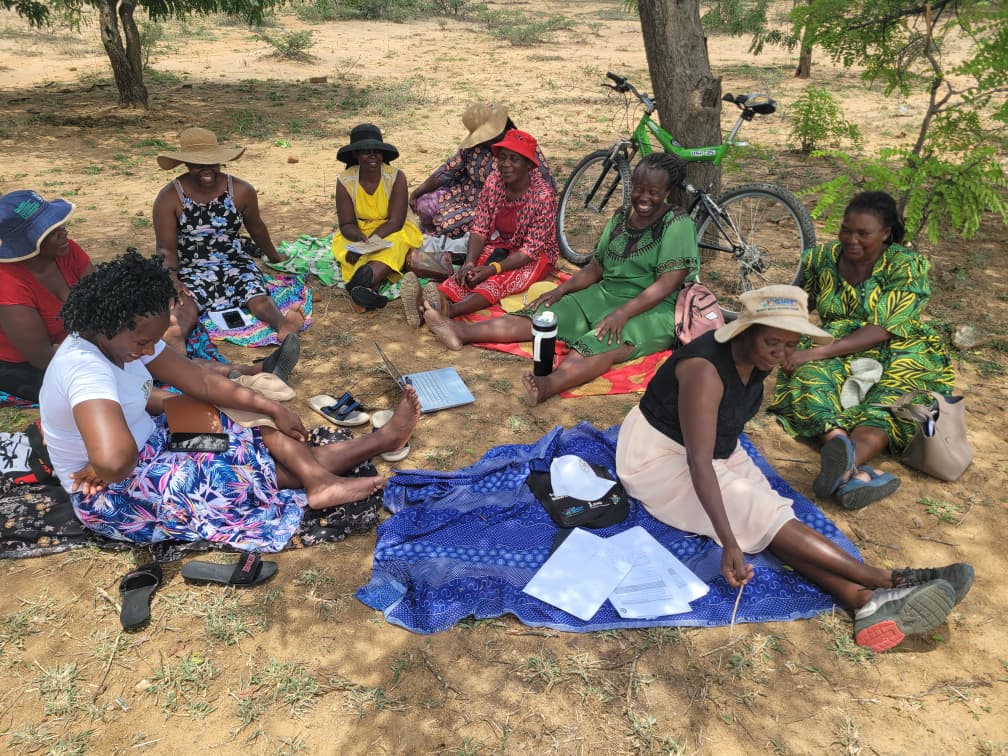
In Zimbabwe, climate change has led to serious hunger, reflected in its 2025 Global Hunger Index ranking. Women and girls in Checheche and Kezi confront these challenges through community radio initiatives, sharing experiences of food insecurity, gender-based violence, and economic instability. Despite adversity, they cultivate resilience, advocating for climate-smart practices and local leadership. In November we hosted focus group discussions with 20 women and girls from Kezi, Matobo and Checheche, Chipinge, with our community radio partners. This work is under our Girl Led Disaster Risk Reduction: Securing Sustainable Futures project.
Sustainable Tea event, held in Harare on 7 May 2025, hosted by the Green Alliance Foundation Trust (GAFA) in partnership with the Flames and Lilies Climate Initiative (FLCI) was a gathering that brought 40 young women together to discuss climate leadership and action. The gathering wasn’t just about sharing a warm beverage. It was about fostering action, building connections and more. Yeukai Kapondo, communication assistant, writes about the unique event.
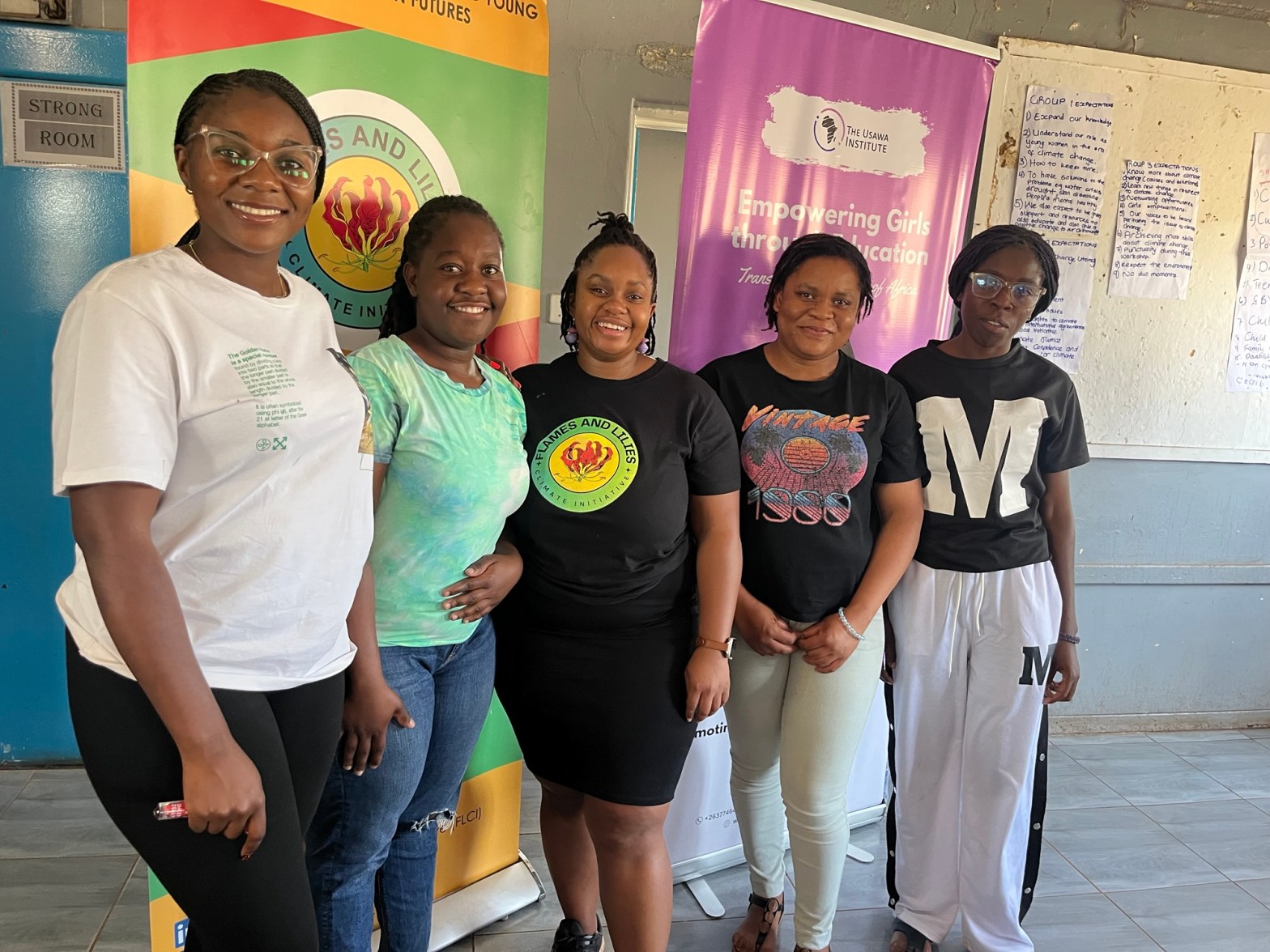
Berha Kufa participated in our Girls’ Led Disaster Risk Reduction Workshop series with our partners Usawa Institute and Mufakose Community Development Trust. This workshop ran for 5 days in Mufakose, Harare.
Water supply has always been a challenge in high-density suburbs like Chitungwiza, where we receive water from the municipality only once a week. However, due to climate change, particularly in the form of heat waves and drought, our last water supply in 2024 was in June. This situation has led to the widespread occurrence of waterborne diseases like cholera, poor menstrual hygiene, and poor agricultural production. Sewage bursts have become so common that some residents now refer to Chitungwiza as “Musha wemasewage” (the home of sewage bursts).
Although community boreholes were drilled, they soon dried up due to the extreme heat. Even when operational, the high demand forced residents to endure long queues, often waking up as early as 4 a.m. to fetch water. This borehole system also exposed young girls to violence from borehole marshals and resulted in late school attendance as they struggled to collect water for their households. In response to the crisis, some well-off residents began drilling boreholes at their homes for sale.
However, by the end of the year, poor electrical supply caused the cost of borehole water to escalate from $1 for 10 buckets to $1 for 6 twenty-liter buckets. This increase has been an overwhelming burden for many who rely on low-income jobs, such as informal trading.
Key Advoacay message written by participants on the project-wide, Girls’ Voices Banner
Recently, some community members have started joint borehole-drilling cooperatives. In this system, neighbours from about ten houses collaborate to drill a borehole at a location professionally assessed by the municipality as suitable. This initiative reduces costs while addressing the water crisis. However, it is essential to educate other community members and provide them with legal advice regarding this initiative to prevent future problems.
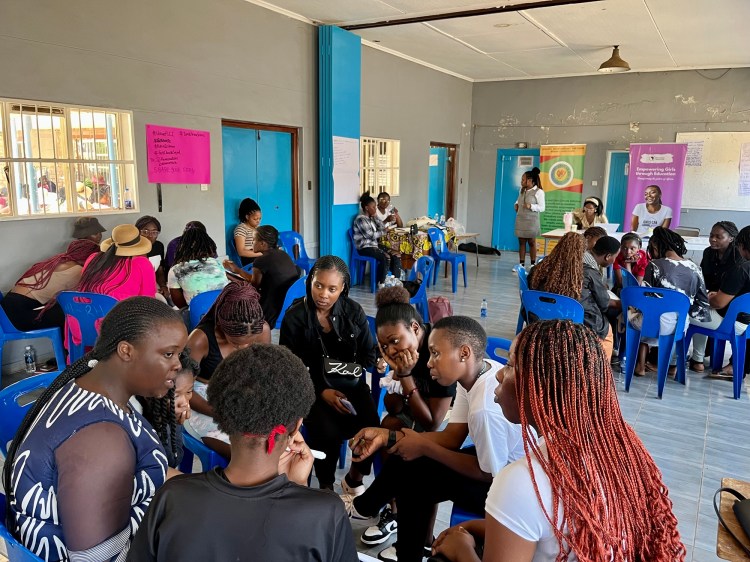
Participants in conversation during group discussion.
6 December 2024 marked a pivotal moment for the Flames and Lilies Climate Initiative (FLCI) as we embarked on a transformative project that combined sustainability, community engagement, and ecofeminist values. What began as an idea to enhance recycling efforts at Theatre in the Park evolved into a meaningful collaboration that highlights the importance of both environmental stewardship and social equity.
The Project: Art for Climate Action: Empowering Communities through Climate Education and Greening Urban Spaces.
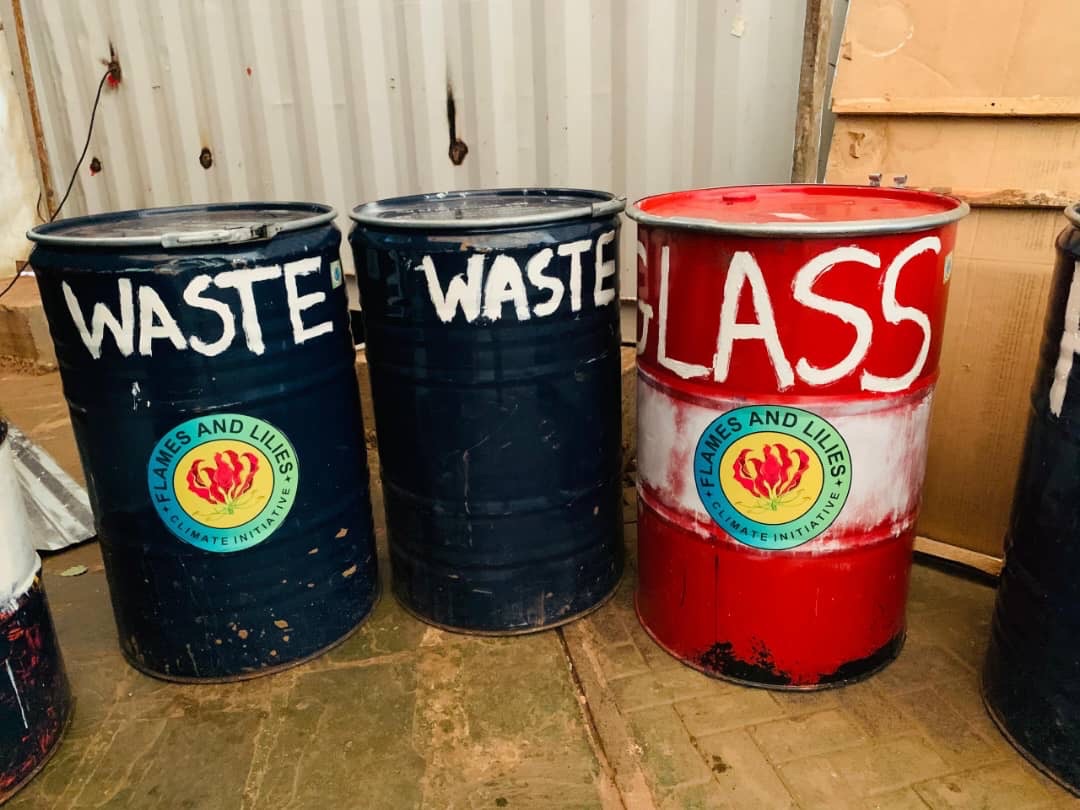
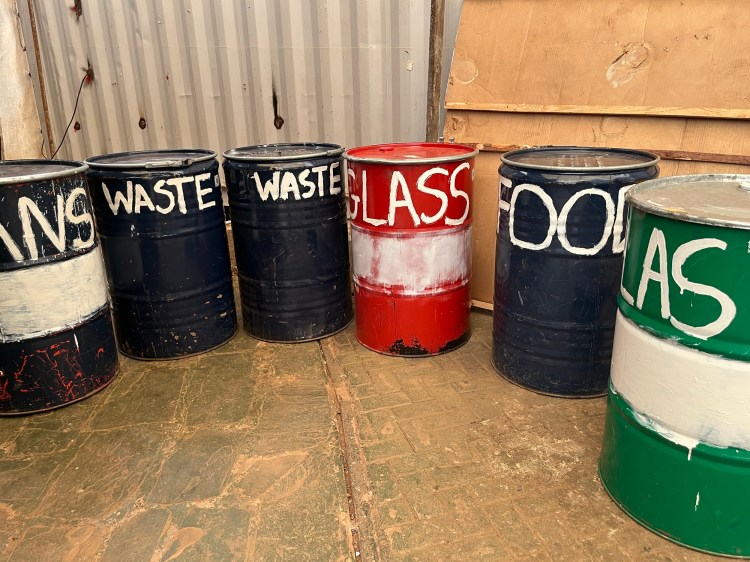
On Friday, we completed the creative transformation of six steel drums into vibrant recycling bins. This intense yet rewarding process involved painting and labelling the drums to create a visually engaging recycling station. The initiative was fueled by the overwhelming support of our community, who came together during a successful donation drive to provide the materials and resources needed.
These bins are not just functional, they’re symbols of collective action and a shared commitment to reducing plastic waste. Strategically placed at Theatre in the Park in Harare Gardens, they will serve as a focal point for waste segregation and education, encouraging theatre patrons to participate actively in sustainability efforts.
Conversations with the Community: Before we began the hands-on work, I took time to connect with local food and beverage business owners who serve the theatre’s audience. These conversations were eye-opening, offering insights into the existing waste management practices in the area. While engaging with these stakeholders, I noticed four women waste pickers meticulously collecting PET bottles from small plastic-only bags provided by restaurants and bars.
Observing their dedication to this labor-intensive work brought a profound sense of purpose to our project. It underscored the urgent need for a more inclusive and dignified approach to waste management—one that acknowledges and supports the contributions of waste pickers, many of whom are women.
A System Rooted in Care The new recycling station is more than a logistical upgrade. By introducing larger, separate containers for plastics, we’re not only educating the community about the importance of reducing plastic waste but also contributing to a system that respects and uplifts the essential work of waste pickers. These women play a vital yet often overlooked role in our circular economy, ensuring that valuable materials are reclaimed and repurposed.
This initiative is a testament to the power of reimagining sustainability as an act of care—care for people, care for the planet, and care for the systems that connect them. At FLCI, we believe that environmental action must be rooted in empathy and equity. This project embodies that belief by addressing the intersection of waste management, community empowerment, and social justice.
Looking Ahead: As we move forward, we’re excited to monitor the impact of the recycling station and to continue fostering partnerships that amplify the voices and contributions of marginalized groups within our environmental initiatives. This project is just the beginning of what we hope will be a broader movement to integrate ecofeminist principles into sustainability practices across Zimbabwe.
We extend our heartfelt gratitude to everyone who supported this endeavour. From the donors who made it possible to the waste pickers whose work inspires us to build systems of care and dignity. Together, we’re creating a future where sustainability is not just about reducing waste but about nurturing communities and ecosystems alike.
Chido Nyaruwata ( Founder and Director) and Talent Murawo ( Volunteer) getting the bins ready for recycling stations
Our founder shared these reflections on International Day of the Girl Child.
Over the last three months, I’ve had the opportunity to meet and work with over 80 adolescent girls and young women. They’ve shared their personal experiences of their communities’ environmental and climate challenges, but more than that, they’ve shared their hopes and solutions for the future.
These girls dream of homes with safe, clean water and accessible, affordable solar energy for all. They’ve spoken about the need for solar-powered streetlights, so they feel safe walking home. They shared the need for everyone to have access to affordable food even during a crisis. They also believe that every boy, girl and individual across Zimbabwe should have access to information about climate change and how we can tackle it. These are just a few of their many powerful visions for a better future.
When we create spaces where girls can speak out and take action, we hear their dreams and give them the tools to shape their future. Today, and every day, let’s continue to support, amplify, and act on the ideas of girls everywhere.






 Flames and Lilies Climate Initiative