
Author: Purity Manyowa
The African Women Leaders Network is a vibrant network of accomplished women leaders with outstanding trails in the political, business, academia, science, community and general leadership arenas, as well as a pool of accomplished, talented, innovative young leaders and professionals, with notable achievements, striving to reach their leadership potential and be impactful. It is implemented with the support of the Office of the AU Special Envoy on Women, Peace, and Security, and of the UN Entity for Gender Equality and the Empowerment of Women (UN Women).
Each year, ALWN hosts an international generational retreat in one of its chapter countries. Between 5-7 September, the Government of Zimbabwe hosted the 7th Intergenerational Retreat. Purity Manyowa, a volunteer and trained participant of the FLCI project, attended the IGR and shares her reflections.
It is marking a significant step forward in preparing women for leadership roles across the continent. The AWLN retreat brought together a diverse group of participants, including media professionals, civil society organisations, and other key figures. The core objective of the gathering was to equip these women with the necessary skills and mindset to drive change. This annual event is a crucial platform for networking, knowledge sharing, and fostering a new generation of leaders who can address Africa’s most pressing challenges.
The retreat’s central focus was Accelerating the Preparedness of African Women Leaders to Harness Emerging Technologies for Africa’s Development. This theme underscored the urgent need for women to move beyond being mere users of technology to becoming active innovators. Discussions highlighted that technology is not just a tool but a powerful vehicle for economic growth and social change. The retreat emphasised that without the full participation of women and girls, the vision of the “Africa we want” cannot be realised. Participants were encouraged to embrace digital literacy and technical skills to create solutions that are relevant to their communities.
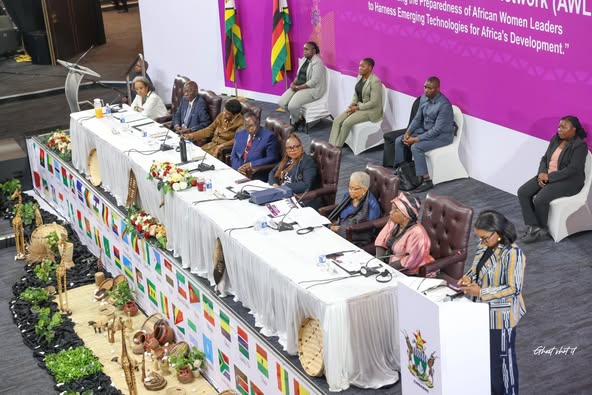
Reflection from the Conference
This retreat was designed to bring about a fundamental shift in perspective for all attendees, regardless of their professional background. It was a call to move from a state of dependency to one of leadership. The sessions underscored that leadership is a continuous process of learning and adaptation. Participants were challenged to think critically and to actively seek new knowledge. The retreat’s message was clear: to be an effective leader, one must be a lifelong student, always open to new ideas and skills.
The retreat also placed a strong emphasis on the importance of personal attributes in leadership. Resilience was a recurring topic, with speakers noting that what truly defines a leader is not the obstacles they face, but their ability to overcome them. It was a powerful message that resilience can be transformed into a source of immense strength. The retreat promoted the idea that leaders must be grounded in principles of integrity and transparency, as these are the fundamentals upon which all trust is built. Without these core values, effective leadership is simply not possible.
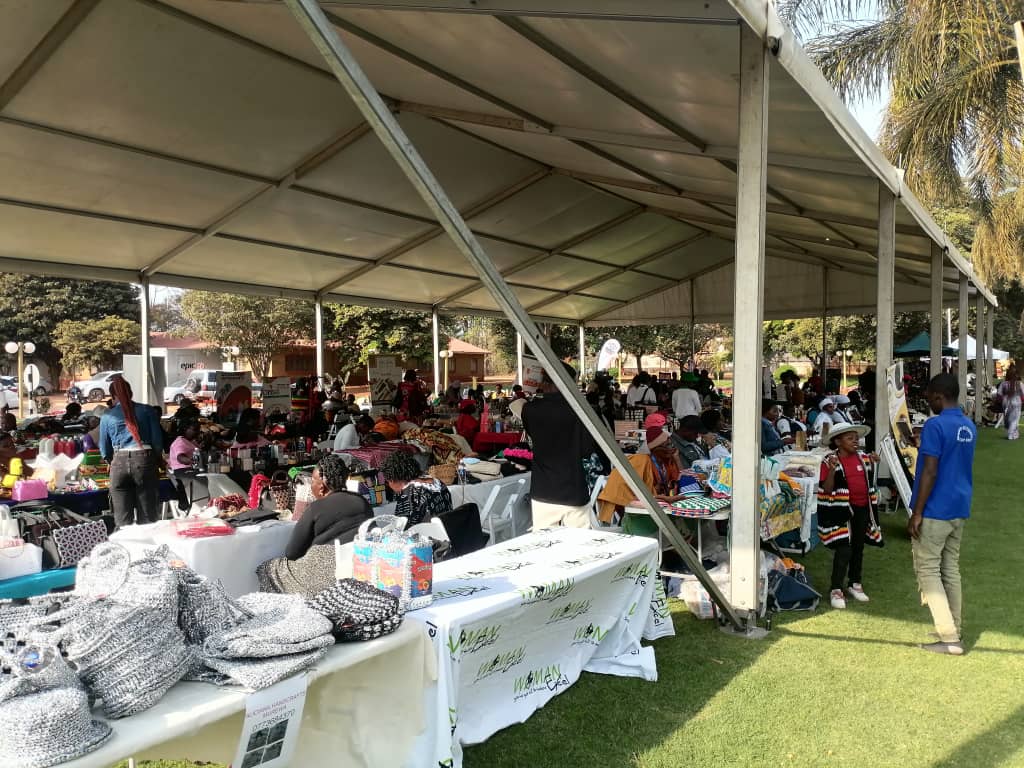

Further sessions highlighted the critical role of accountability and responsibility in building trust with communities and teams. The retreat stressed that leaders must be fair in their actions and prioritise service above personal power. True leadership, as discussed, is not about accumulating authority but about serving a higher purpose. This principle was a cornerstone of many of the discussions, encouraging women to lead with a sense of duty and a commitment to the greater good.
Reflections from the Flames and Lillies
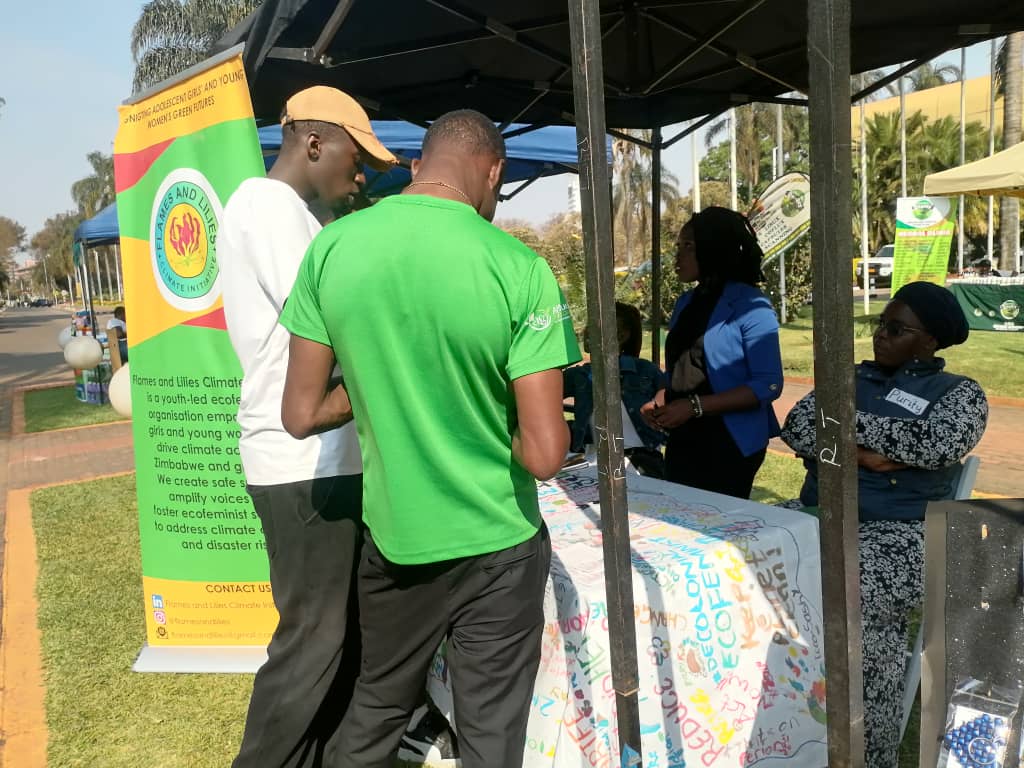
As a volunteer at the “Flames and Lillies” exhibition, I had a valuable opportunity to interact with the public. I learned that many people are surprisingly unaware of climate change and its specific impact on women. There was a strong sense of eagerness to learn, as many people came to our table with questions. This experience showed me that there is a great need for more public education and awareness campaigns about environmental issues. The public’s curiosity was a clear sign that people are ready to engage with these topics and learn how they can make a difference.

The Inspiring part
The retreat was filled with moments of inspiration, particularly from seeing young women in leadership roles. I was deeply moved to see the youngest minister from Botswana, a woman just 26 years old, and the youngest Member of Parliament in Africa, a 20-year-old from Namibia. Their presence served as a powerful reminder that age is not a barrier to leadership. These young leaders are a testament to the fact that with dedication and vision, it is possible to achieve great things at any age. Their success stories were a source of motivation for all attendees.
 Flames and Lilies Climate Initiative