6 December 2024 marked a pivotal moment for the Flames and Lilies Climate Initiative (FLCI) as we embarked on a transformative project that combined sustainability, community engagement, and ecofeminist values. What began as an idea to enhance recycling efforts at Theatre in the Park evolved into a meaningful collaboration that highlights the importance of both environmental stewardship and social equity.
The Project: Art for Climate Action: Empowering Communities through Climate Education and Greening Urban Spaces.
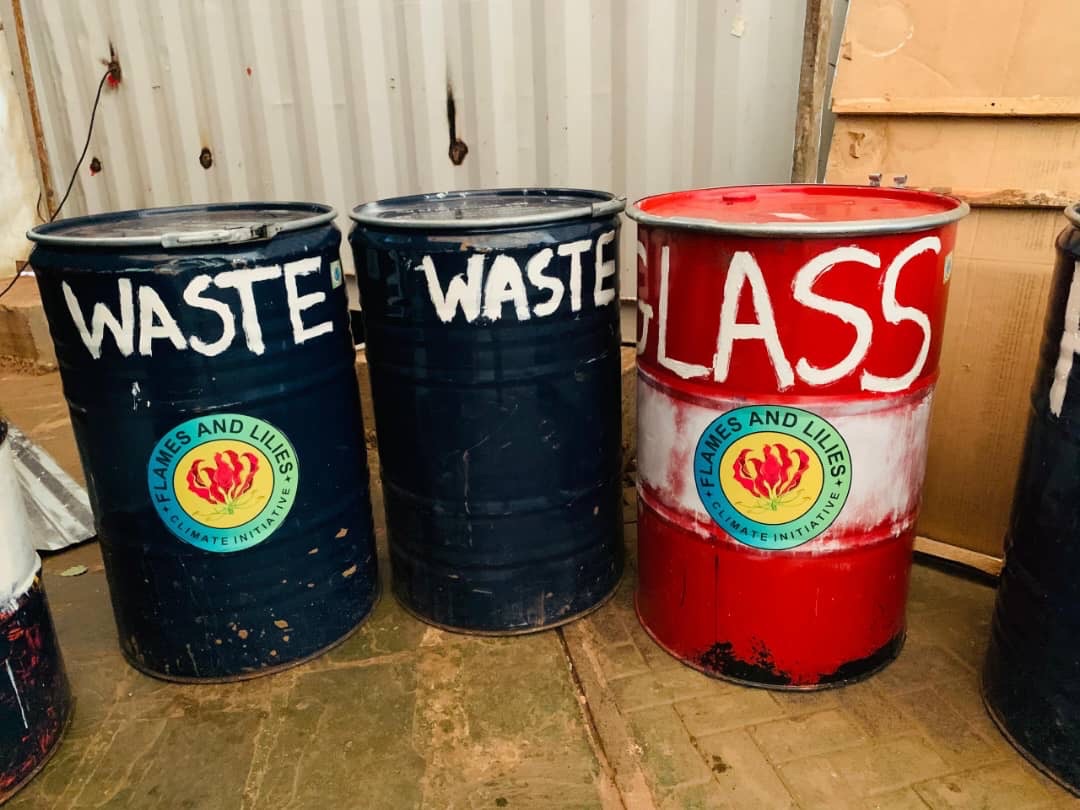
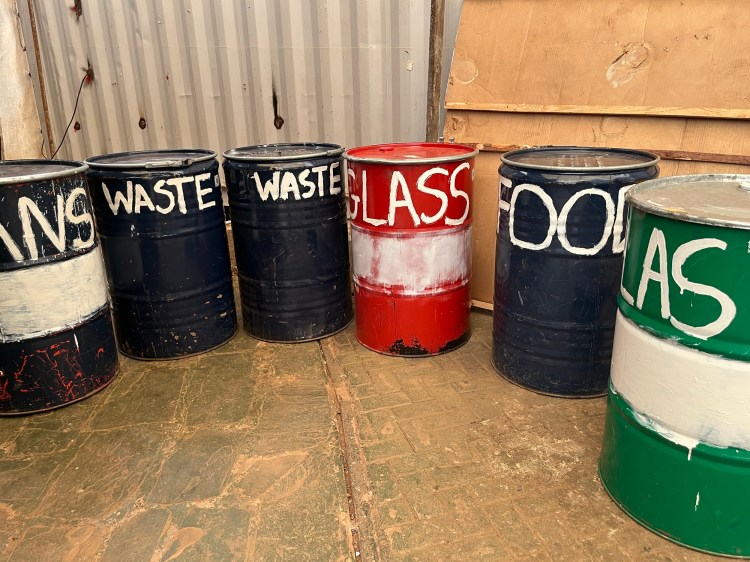
On Friday, we completed the creative transformation of six steel drums into vibrant recycling bins. This intense yet rewarding process involved painting and labelling the drums to create a visually engaging recycling station. The initiative was fueled by the overwhelming support of our community, who came together during a successful donation drive to provide the materials and resources needed.
These bins are not just functional, they’re symbols of collective action and a shared commitment to reducing plastic waste. Strategically placed at Theatre in the Park in Harare Gardens, they will serve as a focal point for waste segregation and education, encouraging theatre patrons to participate actively in sustainability efforts.
Conversations with the Community: Before we began the hands-on work, I took time to connect with local food and beverage business owners who serve the theatre’s audience. These conversations were eye-opening, offering insights into the existing waste management practices in the area. While engaging with these stakeholders, I noticed four women waste pickers meticulously collecting PET bottles from small plastic-only bags provided by restaurants and bars.
Observing their dedication to this labor-intensive work brought a profound sense of purpose to our project. It underscored the urgent need for a more inclusive and dignified approach to waste management—one that acknowledges and supports the contributions of waste pickers, many of whom are women.
A System Rooted in Care The new recycling station is more than a logistical upgrade. By introducing larger, separate containers for plastics, we’re not only educating the community about the importance of reducing plastic waste but also contributing to a system that respects and uplifts the essential work of waste pickers. These women play a vital yet often overlooked role in our circular economy, ensuring that valuable materials are reclaimed and repurposed.
This initiative is a testament to the power of reimagining sustainability as an act of care—care for people, care for the planet, and care for the systems that connect them. At FLCI, we believe that environmental action must be rooted in empathy and equity. This project embodies that belief by addressing the intersection of waste management, community empowerment, and social justice.
Looking Ahead: As we move forward, we’re excited to monitor the impact of the recycling station and to continue fostering partnerships that amplify the voices and contributions of marginalized groups within our environmental initiatives. This project is just the beginning of what we hope will be a broader movement to integrate ecofeminist principles into sustainability practices across Zimbabwe.
We extend our heartfelt gratitude to everyone who supported this endeavour. From the donors who made it possible to the waste pickers whose work inspires us to build systems of care and dignity. Together, we’re creating a future where sustainability is not just about reducing waste but about nurturing communities and ecosystems alike.

 Flames and Lilies Climate Initiative